What does sewer backup cleanup typically cost in Provo, UT?
Begin with the rooms the assessor could inspect and the limits of that visit. In Provo, the words “sewer cleanup” alone cannot show what work a home needs. A ranch with one affected room may call for a different plan than a split-level with signs on another floor. Ask for the findings behind the proposed scope. The written estimate should name the work it includes and any open questions. Compare that scope before comparing totals; no local price table was provided.
Look at the materials and rooms named in the assessment. In Provo, a backup confined to a hard surface can call for a different plan than sewage reaching absorbent building materials. The written scope should make that distinction clear. Check whether contents need moving or whether access work is proposed. Ask what those tasks add to the estimate. A visible stain alone may not show how far the affected area extends, so the assessor’s findings matter when you compare proposals.
Estimate Sewer Backup Cleanup Cost in Provo
Before the visit, identify the rooms involved and what you noticed in each one. In Provo, a ranch, a split-level, and a home near Dry Creek Park can present different layouts. Tell the assessor which floor showed signs first and whether the affected area changed. That description helps direct the inspection toward connected spaces and materials. Ask which parts could be checked directly and which remain uncertain. A clear account of the visit’s limits helps you understand the estimate that follows.
Set the affected area and work options to view a planning estimate. The menus need JavaScript; without it, the page still describes the cleanup tasks.
Use the displayed amount to plan, not as a firm offer. The assessment sets the work by tracing sewage, identifying materials for removal, and deciding what extraction, cleaning, disinfection, and drying involve. Review the provider’s written tasks and records with them before proceeding.
Sewer Backup Cleanup Costs in Provo by Service
Read the proposed work in the order it would happen. The estimate should note which belongings may need cleaning or disposal. It should explain how remaining surfaces will be treated and how moisture will be checked. Ask whether odor work is included or listed separately. The cleanup scope addresses damage inside the home. Repairs to damaged finishes can be listed apart from the cleanup steps.
| Cleanup | Guide range | Timing and added charges |
|---|---|---|
| Crawl Space Sewage Cleanup in Provo | an estimated $3,200–$9,000 | Confirm timing and added charges |
| Toilet Overflow Sewage Cleanup in Provo | an estimated $1,200–$3,000 | Confirm timing and added charges |
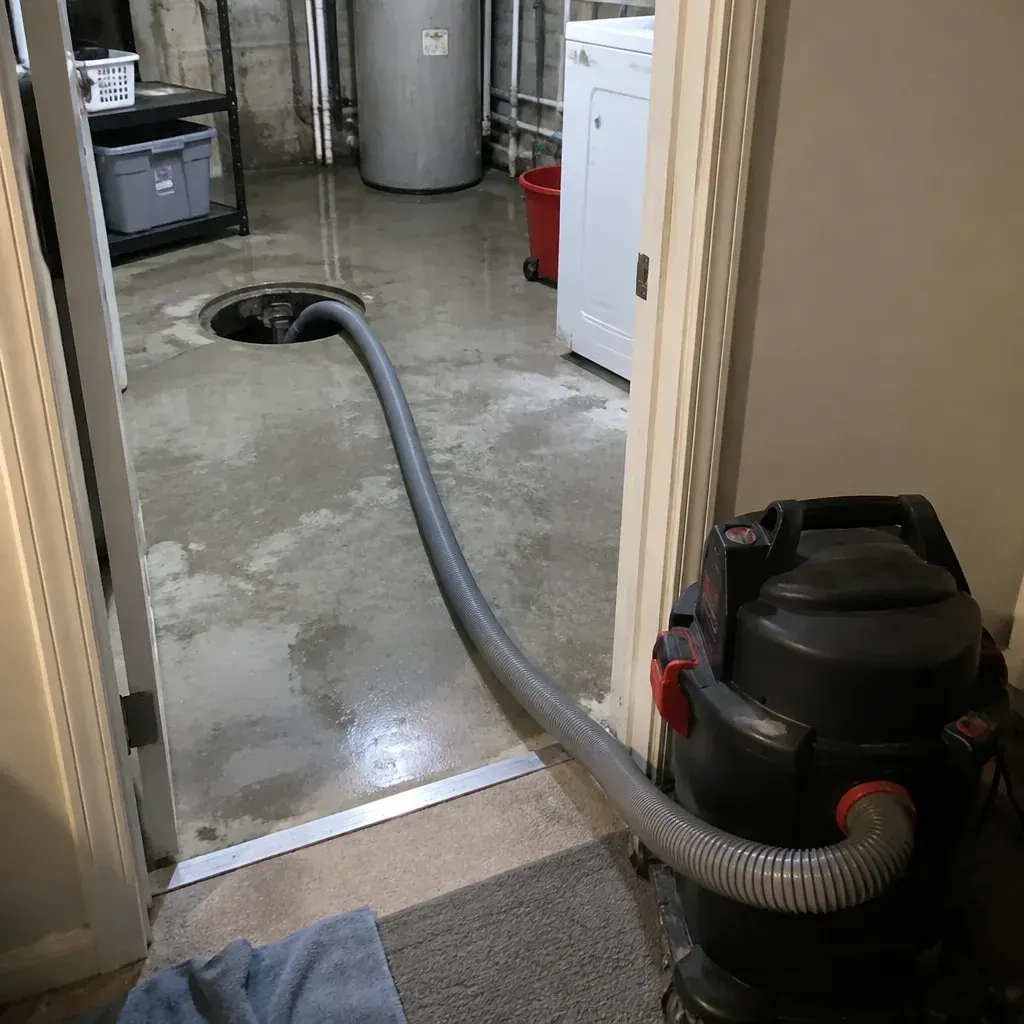
| Basement Sewage Cleanup in Provo | an estimated $7,000–$14,000 | Confirm timing and added charges |
| Floor Drain Sewage Cleanup in Provo | an estimated $1,200–$3,000 | Confirm timing and added charges |
How Damage Across Rooms Can Shape Cost
Check the boundary of the affected area before focusing on its size. In Provo, a spill stopped at one room’s doorway may call for a narrower plan than contamination crossing into connected spaces. The assessment should explain how that boundary was determined. Ask whether the proposed work accounts for each affected room and surface. Porous material exposed to sewage may need to be taken out, depending on the conditions found. Those findings shape labor and treatment in the estimate.
| Affected area | What the cleanup includes | Estimated cost | Drying needs |
|---|---|---|---|
| Provo basement area | Basement sewage pickup, accessible surface sanitation, and little finish removal | an estimated $7,000–$14,000 | Set after contents review |
| Dry Creek Park crawlspace | Crawl space extraction, entry route protection, and cleaning of reachable surfaces | an estimated $3,680–$11,700 | Confirm after entry access |
| Rock Canyon Trailhead toilet room | Toilet overflow pickup, nearby floor disinfection, and selective disposal of soiled trim | an estimated $1,200–$3,000 | Decide after floor assessment |
| Fort Utah Park floor drain | Floor drain extraction, adjacent hard-surface treatment, and limited removal of soiled items | an estimated $2,880–$12,000 | Schedule after drying needs check |
Cost by Affected Room and Property
Notice what the assessor can reach without opening or moving building materials. In Provo, a clean-looking floor may conceal affected layers beneath it. Wall cavities and tight utility areas can also limit what a first visit reveals. Ask whether the estimate assumes those spaces are clear or allows for further inspection. If hidden material changes the scope, the written proposal should explain how added work will be handled. This makes access and uncertainty visible before you compare estimates.
| Property and materials | Estimated cost | What drives the estimate |
|---|---|---|
| Provo basement, one hard-floor zone | an estimated $7,000–$14,000 | One hard floor keeps extraction and structural drying confined to a smaller zone. |
| Basement with tight stair turns | an estimated $8,050–$18,200 | Tight stair turns can slow removal of equipment and debris from below. |
| Washroom floor near Utah Valley University | an estimated $9,450–$23,800 | Floor transitions and sealed joints need close inspection before scope is set. |
| Utility room near Fort Utah Park | an estimated $9,100–$21,700 | A crowded work zone can complicate access to surfaces behind fixed equipment. |
| Stored contents cover part of floor | an estimated $8,750–$21,000 | Sorting contents delays inspection of floor areas hidden beneath stored items. |
| Wall finish near Lakeview Park | an estimated $7,000–$14,000 | Absorbed sewage in wallboard can require removal before the structure dries. |
| Backup reaches an adjoining room | an estimated $7,350–$16,100 | Different materials in an adjoining room can add separate cleaning and drying needs. |
| Finished partitions in a split-level basement | an estimated $7,700–$17,500 | Finished partitions can conceal affected framing that needs assessment before drying. |
Six Things That Affect Cleanup Cost
Use the assessment to see what supports each proposed task. In Provo, ask which surfaces were examined and what conditions led to the recommended treatment. Find out whether drying needs were checked or still require follow-up. If the assessor could not inspect a concealed area, ask how that uncertainty affects the plan. A useful estimate connects observations to work. That lets you tell whether two proposals differ because they found different conditions or describe the same conditions differently.
How Far the Sewage Traveled
Start by tracing where the backup went. In a Provo ranch near Fort Utah Park, sewage might stay in one utility room; in a split-level near Lakeview Park, it could reach a lower floor. The route matters because each affected room and surface must be assessed. A wider path can mean more areas to contain, clean, and inspect. The pros we connect you with can use visible staining, residue, and the layout to define the cleanup area before work begins.
Which Materials Can Be Salvaged
Next, check what the sewage touched. The backup's path can show which parts of the room need closer inspection. The right choice depends on how deeply contamination reached the material. In Provo, a finished basement can include several material types within one room, each requiring a different step. The amount to remove and handle affects the work. The assessment should identify what can stay and what needs removal.
Space for Cleanup Work
Then consider how workers will enter the affected rooms and move equipment or debris. A narrow stair, crowded storage area, or limited doorway can slow handling and require more careful protection of nearby spaces. In Provo, a basement beneath a split-level may have a different route than a ranch utility room. These conditions do not change what was contaminated, but they can change the effort needed to reach it and carry removed materials out.
Surface Treatment and Remaining Odor
Where sewage settles can change the work in a Provo home. A backup limited to a hard surface calls for a different approach than sewage that has soaked into porous building materials; those materials may need removal before cleaning and disinfection. Afterward, the structure still needs drying, and odor treatment may add another task. A ranch with one affected room may involve less material handling than a split-level with contamination across floors. The quote covers this cleanup work. The quote can reflect how much affected material needs removal.
Moisture Remaining After Cleanup
Once cleaning is done, check whether moisture remains in floors, walls, or other building materials. A surface that feels dry may still hold moisture deeper in the material. A Provo home near Rock Canyon Trailhead might have finished rooms that require careful monitoring as materials dry. The quote can include the equipment and attention needed to dry affected areas. This work follows sewage removal and surface treatment; it addresses moisture left in the structure.
Cleanup Scope and Sewer Line Work
Finally, separate indoor restoration from diagnosing the backup. Photographs and notes can document which interior areas were affected. It does not by itself identify why sewage came back through a drain or fix a sewer line. That diagnosis and repair are plumbing work, which may require a plumber. Ask for those scopes to be described separately so you can see which work addresses the rooms and which addresses the source.
What Is Included and What May Cost Extra
Read the scope for clear boundaries. In Provo, confirm which rooms and tasks the estimate includes, then ask what could be billed separately. Check whether disposal, odor treatment, or extra access work appears in the written terms. Ask how changes would be described and approved if new conditions appear. Sewer line investigation and repair fall under plumbing work, so keep those costs on a separate scope. Clear boundaries help you understand what each proposal covers.
| Service | Estimated price |
|---|---|
| Provo site review and work plan | $7,000–$14,000 |
| Fort Utah Park area material disposal | $7,000–$14,000 |
| Rock Canyon Trailhead area surface cleaning | $7,000–$14,000 |
| Quail Cove room disinfection | $7,000–$14,000 |
| Added sewage odor treatment | $7,000–$14,000 |
| Extended structure drying time | $7,000–$14,000 |
| Barriers for affected rooms | $7,000–$14,000 |
When might homeowners insurance cover sewer backup cleanup in Utah?
Check your policy wording and ask your insurer how it applies to this loss. In Provo, coverage may depend on the policy’s protections, exclusions, and the cause established for the backup. Cleanup findings describe property damage; they do not decide whether the insurer will pay. Keep the assessment and records of affected materials available for your claim. Utah’s public sewer rules address public system operators. They do not set private homeowners coverage or determine responsibility for a particular property.
Often claimable
- A sudden backup stains a finished basement in Provo; resulting damage may fit applicable policy terms.
- Cleanup costs after sewage reaches a split-level near Creekside Park may qualify under applicable coverage.
- Sewage damages household items in a ranch near Brigham Young University; contents coverage may apply.
- A sudden backup leaves moisture in framing near Utah Valley University; resulting damage depends on policy terms.
Usually not covered
- Damage from a leak that worsens over time may be excluded when no clear event began it.
- Several backups at a Provo home may not qualify under terms tied to one abrupt loss.
- Sewer-line repairs near Lakeview Park may fall outside cleanup coverage because they address the pipe itself.
- At homes near Rock Canyon Trailhead, neglect-related damage may be excluded when upkeep was missed.
- Without a sewer-backup add-on, cleanup after wastewater enters the house may be left to you.
The label “Usually not covered” cannot settle your claim. In Provo, policy terms and the facts of the backup matter. Read the exclusions and any added protection that may address sewer backup damage. Ask your insurer to explain how those terms apply to your situation. Keep the cleanup scope separate from the coverage decision. A contractor’s estimate can describe the proposed work, but it cannot promise reimbursement or establish what your policy covers.
Why the Lowest Cleanup Quote May Miss Key Work
A low total can leave key decisions unexplained. In Provo, check whether the quote states which rooms were assessed and how the proposed work follows those findings. Look for vague allowances that do not say what they cover. Ask what happens if inspection reveals hidden affected material. A proposal that leaves those questions open may not reflect the work eventually needed. Compare the stated scope and its limits before deciding whether one estimate is truly lower.
Read the Cleanup Tasks in Each Estimate
Before accepting a low figure for a Provo home, ask what happens after wastewater is removed. Sewage may reach absorbent building materials that surface treatment cannot clean, so removal and disposal can add work. Remaining affected areas still need cleaning, disinfection, and drying; odor treatment may add another step. Ask what findings could change the estimate, and request each added task and its charge in writing before work expands. Cleanup addresses indoor contamination. The affected area may need disinfection after cleaning.
Check Which Materials Need Removal
Look at the materials the sewage reached before comparing cleanup totals. Room labels alone can hide differences in the materials that sewage reached. Removed material should be included in the written cleanup plan alongside surfaces treated in place. Ask the pros we connect you with to identify what they propose to remove, what they will treat in place, and what drying includes. A subdivision home near Springville Museum of Art is no substitute for that room-by-room assessment; the affected materials determine the work.
Get Added Work Approved in Writing
Ask how a revised scope will be priced before work begins. In Provo, opening a wall or moving stored items can reveal affected areas that were not visible during the first assessment. Have the pros we connect you with describe the added task, its reason, and any cost change in writing before you approve it. Keep the initial assessment and each revision together. That record lets you see whether the final work matches what you accepted, even when cleanup uncovers more than the first inspection showed.
Keep Sewer Repairs Separate from Cleanup
Check where cleanup ends and plumbing begins. In Provo, the cleanup estimate can address sewage and damage inside the home, including contaminated material removal and drying. It does not establish who will find or repair the blockage or sewer line. Ask whether any plumbing diagnosis or repair appears in the quote, and contact a plumber for that work if needed. Confirm the cause and responsible provider for your property before assigning repair responsibility. Keep the cleanup scope and any plumber's proposal separate in your records.
Set each proposal beside the assessment and check how each handles the same rooms. In Provo, note the visit charge, any work priced separately, and the conditions that could change the estimate. Ask for unclear terms in writing. Then compare the assumptions behind each proposal, including what the assessor could not inspect. A line-by-line review shows where the totals differ and whether each estimate describes the same job. Keep claim records with the assessment for your insurer.
Estimated Cleanup Costs Across Utah
Property layout and the area affected can change the work a proposal describes. In Provo, a ranch may present different access questions than a split-level. Homes near American Fork River or Dry Creek Park may have their own room layouts and materials; the place name alone says nothing about the backup cause. Compare each estimate with its property assessment. For service details, check the location that matches your address, including Lehi or Wallsburg.
Provo · Orem · American Fork · Lindon
Questions to Consider
Does the first assessment visit to a Provo home have a separate charge?
Check the assessment terms before you schedule. Cleanup providers set their own fees, and there is no single Provo fee rule for private visits. Ask whether the first look is billed, what it covers, and whether that charge is due if you do not proceed. Get the answer before anyone arrives so you can include it in your budget.
Why can similar backups near Hobble Creek Golf Course involve different work?
A stain on a hard floor and sewage absorbed into a wall are different findings. The scope depends on which materials the wastewater reached and how far it spread. Some porous materials may need removal because cleaning alone may not be enough. The assessment should connect each proposed task to what was found in the affected rooms.
Will a written scope for a Provo home name each room and task?
Look for the affected rooms, materials, and planned work in writing. The scope should distinguish removal from cleaning and disinfection, then describe any drying work. Ask for unclear terms to be explained before you agree. For a split-level near the Springville Museum of Art, for example, check that the listed rooms match the areas the assessor actually reviewed.
What could make the estimate change after the first inspection?
An early review may not show every affected surface. If later inspection finds contamination beyond the area first considered, the proposed work may change. Ask the provider to describe the new finding, identify the added task, and give you a revised written scope before that work proceeds. That lets you see why the estimate changed and decide what to authorize.
Does the affected area change the amount of cleanup work?
The room or rooms involved shape the scope because each affected space needs its own review. A small visible patch may not show the full reach of contamination. In a Provo ranch, for instance, sewage might affect a utility room as well as nearby flooring. The estimate should say which areas were assessed and what work each one needs.
Can furniture or stored items add handling work to the estimate?
Cleanup costs may also reflect how much affected material needs treatment. Ask whether the proposed work includes moving, handling, or removing belongings, and which items it covers. A clear scope helps you tell whether those tasks are included or would be considered separately. Mention stored items during the assessment so the plan reflects the room as it stands.
Why might a sewage-exposed floor need removal as well as cleaning?
Ask whether drying is included in the written scope and which rooms it covers. In a Provo split-level near Quail Cove, a damp lower room may need different work from an unaffected upstairs room. Ask whether furniture and other contents need to be moved or protected during drying. If you notice damp trim or a musty smell near Fort Utah Park, point it out during the assessment so the scope reflects that area.
Does a sewer smell automatically mean odor treatment is an added charge?
No single smell by itself sets the cleanup scope. Ask the assessor what the odor finding means for the proposed work and whether odor treatment appears in writing. In Provo, compare that line with the listed removal, cleaning, and disinfection tasks. The estimate should make clear whether treatment is included or would require a separate approval.
If contamination reaches another room, should that room appear in the scope?
Yes, if the assessment finds that room affected, it should be identified in the scope with its proposed tasks. Clean spaces may also need separation from work areas to limit the spread of contaminated water or debris. If your home near Mapleton has adjoining rooms, ask which spaces are included and how the plan distinguishes affected areas from clean ones.
Will cleanup professionals find and fix the sewer blockage too?
Cleanup covers sewage and damage inside your home. The cleanup plan should explain how contaminated materials will be handled and disposed of. The pros we connect you with can describe cleanup tasks, while a plumber can explain what the line needs. For a Provo home near Rock Canyon Trailhead, check with the relevant provider before assuming who is responsible for the line.
How can I compare two estimates that describe the work differently?
Set the scopes beside each other and check whether they cover the same rooms and materials. Then compare the listed tasks, including removal, cleaning, disinfection, and drying where proposed. Ask each provider to explain anything vague or missing before you choose. Photos and notes about damaged materials and planned cleanup steps can also help you keep a clear record.
Will my insurance policy pay for sewer backup cleanup in Provo?
That depends on the terms of your policy; cleanup estimates do not establish coverage. Send the written scope and your damage records to your insurer, then ask how your specific policy applies before authorizing work if timing allows. Coverage can differ by policy, so do not budget on reimbursement until your insurer explains its decision.
What Shapes a Cleanup Estimate
Before comparing estimates in Provo, mark each room where sewage appeared and list the materials it touched. A ranch floor, a split-level stairwell, or stored belongings can call for different work. Ask whether the assessment visit has a charge and request its findings in writing. Check which items are proposed for removal, cleaning, disinfection, or drying. Ask which added tasks carry separate charges. Ask how the written estimate will distinguish required cleanup from any optional work. Keep people and pets away during assessment.
Call (801) 716-3454