Returning Home
In Provo, lingering odor, damp flooring, or visible residue can draw attention to room edges. Learn what these clues may suggest before you return after sewage cleanup.
Read article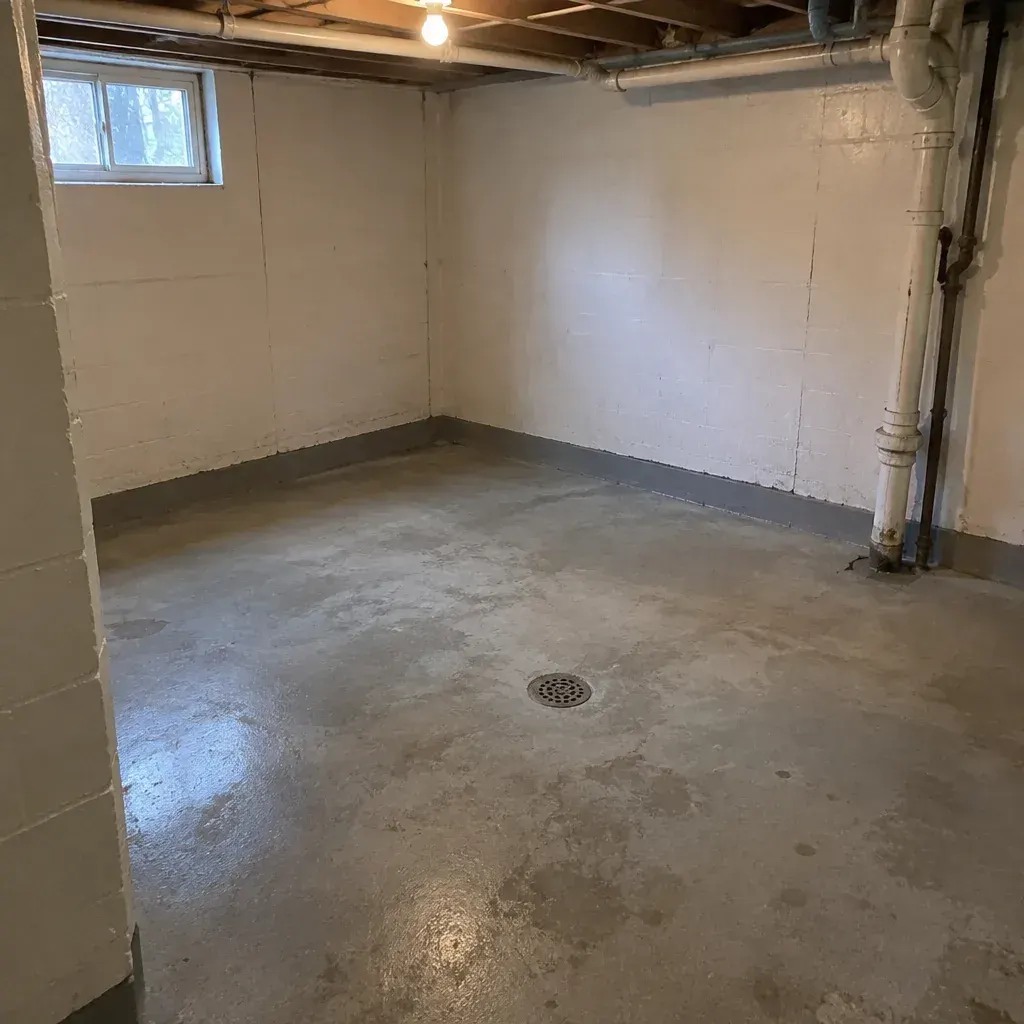
For Provo homes near Lakeview Park, cleanup contains the spill before materials are assessed and rooms dried.
Provo’s winter snowfall can leave a basement entry slick when a cleanup visit begins. Inside, a floor drain backup may show first as a damp ring around the grate, then a trail toward a laundry area or stored boxes. In a ranch, the affected room may sit at grade; in a split-level, it may be below the main living floor. Those layouts change how the wet area meets doorways and belongings, so the visible edge is only the first clue.
The drain opening alone does not show which materials need attention. The pros we connect you with then check the drain surround, floor edges, nearby contents, and lower walls. That inspection guides water removal and identifies porous materials that may need to go. Remaining surfaces are cleaned and disinfected, then damp structural materials are dried. In Provo, access through a basement stairway or a split-level landing can shape how materials are moved. Tell the provider where sewage traveled and whether it continued entering.
Sewage damage indoors can leave affected surfaces needing cleanup. In Provo, Floor Drain Sewage Cleanup treats indoor sewage damage, while Orem, American Fork and Lindon are coverage examples.
At a home you occupy, start with Sewer Backup Cleanup; for a rental you manage or a business, see commercial sewer backup cleanup.
Look at the floor drain and the space directly around it first. Sewage can pass under a washer, stored bin, or workbench before its path is obvious. In a Provo basement, check the far side of objects only from a clean, dry position; do not move contaminated belongings yourself. A cleanup assessment should include the floor area hidden by those items. Share what you can see, including which rooms connect to the drain area, so the affected boundary can be set.
Notice whether the room still smells strongly after visible sewage is gone. A persistent odor can point to contamination in a floor joint, beneath a fixed cabinet, or inside an absorbent item. In Provo homes with finished lower levels, that smell may be easier to notice near a doorway or stair landing. Keep the area closed off and tell the cleanup provider where the odor is strongest. They can check whether residue or affected materials remain before drying is considered complete.
Check for changes where flooring meets trim or a wall. A swollen edge, loose transition strip, or softened baseboard can show that moisture reached beyond the open puddle. These signs matter in Provo ranches and split-levels alike, especially where a basement floor meets finished rooms. Avoid pulling up flooring or trim yourself. Describe the change and its location to the cleanup provider; the inspection can determine whether the material needs removal or moisture checks during drying.
The provider separates the drain room from clean areas and traces sewage along floors, doorways, and nearby contents to set the cleanup boundary.
Standing contaminated water is removed, then the provider checks belongings and building materials to decide what can be treated or must go.
Unsuitable porous materials are removed. Loose debris is cleared from the affected area before remaining surfaces are treated.
The provider checks for lingering odor, treats affected areas as needed, and monitors damp structural materials until they dry.
A floor drain releases sewage at floor level, where it can pass beneath stored items before you see its full reach. In Provo homes, a basement stairwell or split-level landing can connect that room to finished living space. Contaminated water can leave residue along the floor edges as it spreads. A prompt assessment also identifies damp areas that need drying, including material hidden below the visible floor surface.
Utah rule R317-801 addresses public sewer-system operators and their response to overflows; it does not set a private home’s cleanup plan. For a Provo floor drain backup, note which rooms and surfaces show contact, then ask the provider how each material will be assessed. The right treatment depends on what sewage reached and whether a surface can be cleaned. Public-system requirements alone do not establish the cause or cleanup responsibility for one house.
Ask the provider to explain the affected boundary and what they found at the floor drain, along floor edges, and at lower walls. Take photos from a safe, dry location and keep a simple list of damaged belongings and removed materials. If you describe the property by a nearby marker, names such as Evergreen Park, Dry Creek Park, or Rotary Park can help orient a conversation. That location detail does not establish which sewer system serves the address or who must repair it.
Floor Drain Sewage Cleanup ranges for Provo homes near Utah Lake are estimates; the pros we connect you with can clarify visit costs and list planned cleanup work in their proposal.
| Backup Path | Cleanup Order | Estimate Scope |
|---|---|---|
| Spot cleanup | Provo home assessment: define the affected room and visible cleanup needs | an estimated $1,200–$3,000 |
| Room cleanup | Assessment-listed surfaces receive cleaning and disinfection before drying | an estimated $1,380–$3,900 |
| Connected areas | Expand the agreed cleanup area only for recorded impacts | an estimated $1,200–$3,000 |
| Property-wide | Keep sewer-source investigation and pipe repair outside the cleanup assessment | an estimated $2,880–$12,000 |
The assessment identifies which cleanup steps apply to the affected materials. The assessment determines those steps; no single treatment fits every material. The pricing guide explains what may shape cleanup costs. Sewer-line troubleshooting and repair are plumbing work.
The pros we connect you with first isolate the drain area and trace where sewage traveled. They remove standing contaminated water, then assess nearby contents and building materials. Items that cannot be safely restored may need removal. They clean and disinfect the affected surfaces, treat remaining odors, and dry damp parts of the structure. The provider can explain which surfaces were treated and which materials were removed.
Not automatically. The decision depends on what sewage touched and whether the material can be cleaned safely. Time in contact with sewage can affect whether an item can be cleaned safely. Items with seams or crevices may be harder to clean thoroughly. Ask the provider to identify each affected item and explain its recommended handling before anything is discarded.
Stay out of the affected room and keep children and pets away. Do not touch wet belongings or try to move them through clean areas. Avoid trying to rinse or scrub contaminated belongings yourself. Share those details with a cleanup provider. If the backup continues, contact a plumber to address the source while cleanup is arranged.
If the odor remains, ask the provider to inspect the drain surround, floor joints, and materials close to the floor. Smell can linger where residue is concealed or moisture remains. A check of those specific spots can show whether more assessment or drying is needed. Avoid masking the odor before the inspection, since its location may help guide the check.
The pros we connect you with first separate the affected room from clean areas and remove standing sewage. They assess flooring, baseboards, and belongings to decide what needs removal. Porous materials may hold contamination after standing sewage is removed. In a Provo basement, the work can extend beyond the visible drain area if sewage reached adjoining surfaces or stored items.
Because floor drains sit below surrounding surfaces, backed-up wastewater can collect in low areas before it is noticed. Water can seep beneath flooring or behind trim, leaving damp areas that are harder to see. The pros we connect you with remove sewage and contaminated porous finishes, clean and disinfect remaining surfaces, treat lingering odors, and dry the structure. Tell the cleanup provider where the water traveled. A plumber may be needed if the drain backs up again.
For floor drain sewage cleanup, the estimate is $1,200–$3,000 for this work. A small spill and a wider spread require different work; after assessing the damaged area, materials, and drying needs, the pros we connect you with can confirm pricing.
See what cleanup may involve from initial sewage removal through disinfection and drying.
In Provo, lingering odor, damp flooring, or visible residue can draw attention to room edges. Learn what these clues may suggest before you return after sewage cleanup.
Read article
How quickly should a cleanup company respond to a sewage backup in Provo? Learn what to report, what visible spread may indicate, and what to clarify about arrival.
Read article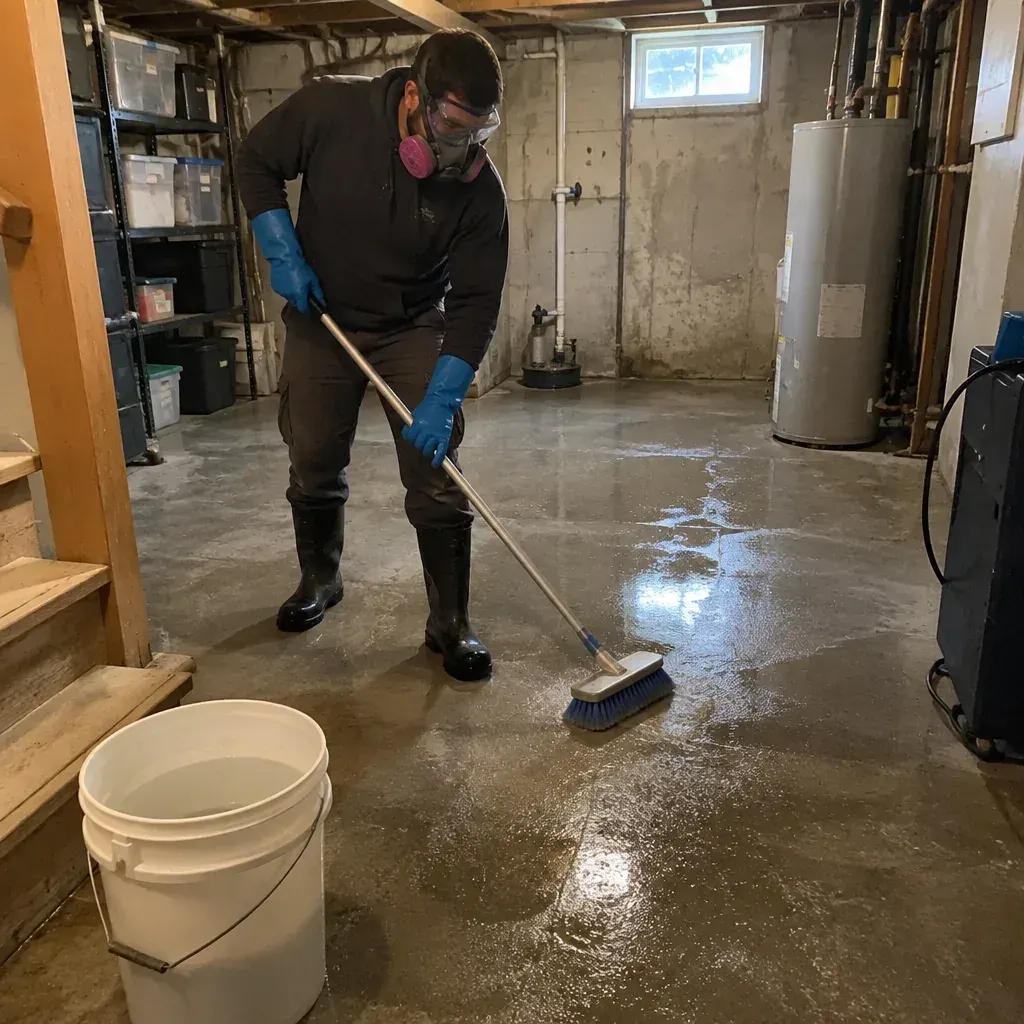
How long does sewer backup cleanup usually take in Provo? Follow assessment, removal, treatment, and drying to see what shapes the timeline.
Read articleFor a Provo address near Fort Utah Park, start by checking whether sewage is still entering the building. Note whether the source seems to involve a drain, fixture, or pipe, without investigating it yourself. Keep others clear and report what you saw, including the rooms and materials involved. Keep affected belongings in place until their condition has been discussed. Request a written scope explaining removal, treatment, and drying.
Call (801) 716-3454