Sewer Backup Warning Signs in Provo
In Provo, start where you see water: note sewage on the floor, then check nearby carpet, rugs, or other absorbent items for dampness or staining. Check floor seams and the base of walls for signs of spread. Next, notice whether an unpleasant sewer odor remains, and look for damp spots that may need drying. A ranch or split-level can show signs in separate rooms. Evergreen Park and American Fork River are map references; neither tells you what caused an indoor backup. These clues guide assessment, not diagnosis.
You might notice a floor drain overflowing, a foul smell, or a wet basement before you know why it happened. Start with those signs and the rooms they affect. This page explains cleanup work that may fit what you found. Contact a plumber to investigate or fix the source when needed.
If sewage is present in your Provo home, keep children, visitors, and pets out of the affected space. Avoid stepping through it or handling wet belongings. Note which belongings were wet before deciding what can be kept. A lingering odor may call for treatment after cleanup. The pros we connect you with address indoor contamination. Ask a plumber to find the blockage or sewer-line problem and handle repairs; these signs alone cannot identify the source.
Signs needing prompt cleanup
Seek prompt help if sewage is still moving, someone may enter the area, or wet building materials await assessment.
| Observed sign | Possible meaning | When to act | Open advice |
|---|---|---|---|
| Sewage Visible Indoors On a Provo floor, sewage may look like a shallow puddle, a broken-edged patch, or a dragged streak. Its color can be gray, brown, or nearly black. It may collect beside a wall or spread across a low floor area. The surface can look cloudy, slick, or gritty; nearby fabric may appear darkened or damp. | Start with the visible boundary, then note which rooms and belongings it touched. Sewage on an indoor floor signals contaminated wastewater inside the structure and a need for cleanup. The sign does not identify where the blockage began. In Provo, the pros we connect you with can remove sewage, remove affected porous materials, clean, disinfect, and dry the structure. A plumber investigates the source. The same distinction applies in Orem and Springville. | As sewage sits, liquid can reach flooring, trim, and other absorbent materials. During the hours that follow, damp areas may widen beyond the visible patch, leaving more surfaces to assess and dry. Sewage can also leave germs on surfaces that people may touch later. | Ask on the call |
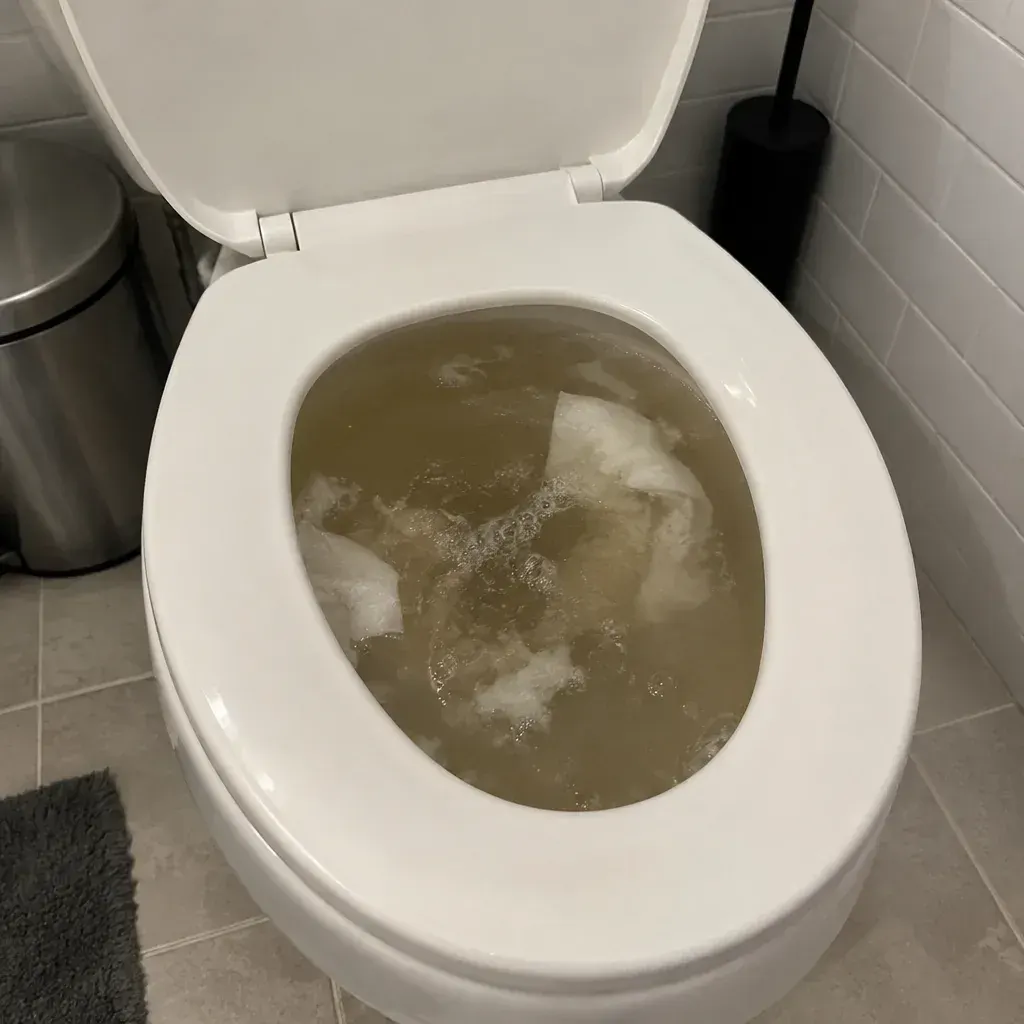
| Wastewater Backing Up From Drains In Provo, the water may look gray, tan, or brown, sometimes with paper bits or cloudy flecks. It can rise in a floor drain, tub, or toilet, then leave a shallow sheen or small ripples. In a ranch or split-level, the wet edge may catch light against tile or concrete, from homes near Utah Lake toward Orem. | Water pushing up through an indoor drain can leave sewage in the room, even after flow stops. In Provo, stop using connected fixtures and keep people and pets away. Contact the pros we connect you with to assess cleanup; a plumber can find and repair the blockage. Sewage can also soak into nearby materials and belongings, leaving them contaminated. | In a Provo ranch or split-level, wastewater can cross flooring within hours. It may soak rugs, trim, or flooring edges, widening the area needing cleanup. Moisture that remains beneath the surface can extend drying and leave more building material affected. | Floor Drain Sewage Cleanup |
| Multiple Fixtures Backing Up In Provo homes, from Fort Utah Park to Lakeview Park and Rock Canyon Trailhead, you may see liquid or waste at separate openings: perhaps a toilet bowl and a tub or sink drain. One fixture may rise while another holds a shallow pool. The liquid’s color and texture can vary. | In Provo, backups at several fixtures can put sewage in rooms with different floor and wall materials. Check each affected room for soiled hard surfaces, carpet, or lower trim. Absorbent materials may need removal; remaining affected surfaces need cleaning and disinfection. That material check matters in homes near Fort Utah Park, Lakeview Park, and Rock Canyon Trailhead. | In Provo, each new release can wet more flooring and belongings, expanding the affected area as it happens. Sewage may carry harmful germs. Wastewater can soak into wall cavities and flooring, leaving hidden contamination behind. | Multi-Room Sewage Backup Cleanup |
| Discolored Wastewater Indoors A stale, sewage-like odor may linger even when the water has stopped spreading across the floor. Its color can range from tan or rusty brown to gray; cloudiness may hide the floor beneath it. Near Lakeview Park, a split-level might show the same opaque sheen around a low spot. | Brown or cloudy wastewater in a Provo home should be treated as sewage; its color cannot tell you whether contact is safe. Wastewater can soak into porous materials and make them part of the affected area. The pros we connect you with can extract the water, remove porous materials that absorbed it, disinfect affected surfaces, and dry the structure. | Wastewater left in a Provo home near Rock Canyon Trailhead can keep absorbent flooring and trim wet, allowing damage to worsen over the following days. Contact also leaves contaminated material in place, so the affected room needs prompt assessment and cleanup. | Ask on the call |
| Sewage Solids or Sludge on Surfaces In Provo, a ranch or split-level may show a glossy smear, loose grains, or irregular lumps. The color may range from pale brown to dark gray. On a wall, residue can leave a low streak; on a floor, it may form shallow ridges or patches. Damp areas feel slick; dried pieces feel crusted. | Check the deposit first. Solid waste or a sludge coating on an indoor surface means sewage-affected water or debris reached that spot. In Provo, a home near Lakeview Park needs the same careful assessment as elsewhere. Do not touch or cross the area. The pros we connect you with can identify materials for removal, disinfection, or drying. | Damp residue can dry onto hard surfaces, while absorbent flooring or trim may retain contamination. In Provo, an assessment soon can identify what needs removal or treatment and limit continued contact. Odors may linger after visible residue has been cleaned from a surface. Which surfaces need attention? | Ask on the call |
| Wet Materials After a Sewage Backup A musty odor may linger indoors, even when no moisture is visible. Discoloration can appear tan, gray, or brown, with soft edges. Paint may ripple; trim may swell, bow, or feel cool and clammy. | Check damp flooring, baseboards, and wallboard after a sewage backup, then trace each wet edge into adjoining rooms. In Provo, moisture beyond the visible spill can mark how far contaminated water traveled. The pros we connect you with can determine which surfaces need cleaning and which absorbent parts may need removal before structural drying. | Moisture can remain beneath flooring or inside wallboard after the surface dries. Over the next several days, hidden dampness can keep affected materials from drying and enlarge the area needing attention. In Provo, checking moisture helps define that boundary. | Ask on the call |
| Sewage Returning After an Initial Backup Look for a fresh wet patch or shallow pool with a gray, brown, or nearly black cast. It may hold paper or other small debris. The edge can look uneven against dry flooring, with beads of water on nearby surfaces. In Provo, this may appear beside a drain or across a basement floor. | When sewage shows up again in Provo, the first cleanup may not have reached every affected material, or the backup source may still be active. Keep out of the affected area and have it reassessed. Watch for new odors or discoloration as you keep clear of the affected area. Which materials need attention, and has the source been fixed? | Each return can soil surfaces cleaned earlier. As hours pass, damp flooring or lower wall materials can stay wet and may need drying after cleanup. Around Creekside Park, Brigham Young University, or Utah Lake, has the source been located, and what needs another assessment? | Ask on the call |
Signs worth arranging an assessment for
The backup may stop, but residue can remain and needs a considered response.
| Observed sign | Possible meaning | When to act | Open advice |
|---|---|---|---|
| Sewage Odor Indoors Nothing in the room outlines the smell. You notice a sharp, sour, or fecal note in the air, sometimes strongest by a basement stair or doorway. In a Provo ranch near Lakeview Park, one room may smell stronger than the next, though the visible surfaces look much the same. | Check whether fresh air eases the smell, then whether it returns or reaches another room. For a Provo home near Fort Utah Park, a lasting sewage odor can point to contamination on flooring, furnishings, or other surfaces, even after water is gone. Ask the pros we connect you with to assess the area; cleanup may involve removing affected material, cleaning, disinfecting, odor treatment, and drying. | In Provo, a sewage smell that persists can signal affected surfaces still need cleaning and disinfection; masking the odor leaves that work undone. Over the next days, an assessment can identify what needs removal or treatment, whether your home is near Evergreen Park, Jordan River Parkway, or Quail Cove. | Ask on the call |
| Stains After a Sewage Backup In a Provo home, the stain may be an irregular brown, gray, or tan patch near the floor, a thin mark along a baseboard, or small dark specks. Its border may be sharp or feathered. On painted drywall, the surface can look dull or bubbled; trim may appear swollen. Texture varies by finish. | Avoid touching wet residue while you document the affected surfaces. In Provo, Orem, or Lindon, a ranch or split-level may show where sewage touched a surface, but the mark cannot reveal hidden contamination. Photograph it and note affected materials. A foul odor may remain after visible water and residue are gone. A plumber investigates the backup source. | Moisture can remain in nearby materials while they stay damp, and the mark may persist. In Provo, avoid the affected area during cleanup; sewage can carry harmful germs. Have the materials assessed and dried as part of cleanup, since a stain alone cannot show whether hidden surfaces remain wet. | Ask on the call |
| Sewage Odor After Water Recedes In Provo, the odor may seem sharp, sour, or sulfur-like, without a matching stain. You may notice it low near the floor, then stronger beside a doorway or along a room edge. From homes near Hobble Creek to those toward Springville and Mapleton, this sign is sensed in the air rather than seen on a surface. | A sewage odor that remains after visible water has drained is a lingering sign worth checking. In Provo, note which rooms smell strongest and nearby affected materials. Sewage residue or contamination may remain beyond what you can see. Avoid contact with the area. The odor may return if its source has not been addressed. | In Provo, odor can remain while sewage residue or damp affected material is present; time alone may not clear it. If moisture remains, building materials still need assessment and drying. While that condition lasts, the smell may persist too. | Ask on the call |
Questions to Consider
What does sewage visible indoors mean?
Start with the visible boundary, then note which rooms and belongings it touched. Sewage on an indoor floor signals contaminated wastewater inside the structure and a need for cleanup. The sign does not identify where the blockage began. In Provo, the pros we connect you with can remove sewage, remove affected porous materials, clean, disinfect, and dry the structure. A plumber investigates the source. The same distinction applies in Orem and Springville.
What does wastewater backing up from drains mean?
Water pushing up through an indoor drain can leave sewage in the room, even after flow stops. In Provo, stop using connected fixtures and keep people and pets away. Contact the pros we connect you with to assess cleanup; a plumber can find and repair the blockage. Sewage can also soak into nearby materials and belongings, leaving them contaminated.
What does multiple fixtures backing up mean?
In Provo, backups at several fixtures can put sewage in rooms with different floor and wall materials. Check each affected room for soiled hard surfaces, carpet, or lower trim. Absorbent materials may need removal; remaining affected surfaces need cleaning and disinfection. That material check matters in homes near Fort Utah Park, Lakeview Park, and Rock Canyon Trailhead.
What does sewage odor indoors mean?
Check whether fresh air eases the smell, then whether it returns or reaches another room. For a Provo home near Fort Utah Park, a lasting sewage odor can point to contamination on flooring, furnishings, or other surfaces, even after water is gone. Ask the pros we connect you with to assess the area; cleanup may involve removing affected material, cleaning, disinfecting, odor treatment, and drying.
What does discolored wastewater indoors mean?
Brown or cloudy wastewater in a Provo home should be treated as sewage; its color cannot tell you whether contact is safe. Wastewater can soak into porous materials and make them part of the affected area. The pros we connect you with can extract the water, remove porous materials that absorbed it, disinfect affected surfaces, and dry the structure.
What does sewage solids or sludge on surfaces mean?
Check the deposit first. Solid waste or a sludge coating on an indoor surface means sewage-affected water or debris reached that spot. In Provo, a home near Lakeview Park needs the same careful assessment as elsewhere. Do not touch or cross the area. The pros we connect you with can identify materials for removal, disinfection, or drying.
What does stains after a sewage Backup mean?
Avoid touching wet residue while you document the affected surfaces. In Provo, Orem, or Lindon, a ranch or split-level may show where sewage touched a surface, but the mark cannot reveal hidden contamination. Photograph it and note affected materials. A foul odor may remain after visible water and residue are gone. A plumber investigates the backup source.
What does wet materials after a sewage Backup mean?
Check damp flooring, baseboards, and wallboard after a sewage backup, then trace each wet edge into adjoining rooms. In Provo, moisture beyond the visible spill can mark how far contaminated water traveled. The pros we connect you with can determine which surfaces need cleaning and which absorbent parts may need removal before structural drying.
What does sewage odor after water recedes mean?
A sewage odor that remains after visible water has drained is a lingering sign worth checking. In Provo, note which rooms smell strongest and nearby affected materials. Sewage residue or contamination may remain beyond what you can see. Avoid contact with the area. The odor may return if its source has not been addressed.
What does sewage returning after an initial Backup mean?
When sewage shows up again in Provo, the first cleanup may not have reached every affected material, or the backup source may still be active. Keep out of the affected area and have it reassessed. Watch for new odors or discoloration as you keep clear of the affected area. Which materials need attention, and has the source been fixed?
Match Visible Damage to Cleanup Needs
A drain backup may leave sewage on nearby flooring or walls, even when the source is no longer visible. In Provo, include whether you saw sewage at a drain, on flooring, or along a wall; avoid entering or handling the affected area. Tell the pros we connect you with what you observed and ask what their assessment covers. Confirm whether removal, cleaning, disinfection, and drying are included, along with availability, charges, and any separately billed tasks.
Call (801) 716-3454