How a Backup Changes Daily Home Use
Provo’s winter snowfall is useful context when planning indoor drying, but it does not explain why a home backed up. The condition of damp materials indoors should guide the assessment and drying plan.
For a Provo address, Lakeview Park, Fort Utah Park, or Rock Canyon Trailhead can help orient a service description. A landmark cannot show which rooms sewage reached; the home’s connections and materials need review.
You might call from work or another home while sewage cleanup is needed at a Provo property near Hobble Creek. Give the pros we connect you with the address of that property so they can check service availability there.
First Look at the Spill
- Room map
- A room sketch helps workers follow doorways and adjoining spaces when reviewing where sewage may have contacted materials.
- Exposure check
- Access boundaries help keep activity in affected rooms from carrying residue into cleaner parts of the home.
- Work sequence
- Carpet, padding, and other absorbent contents may hold sewage where surface treatment cannot reach.
- Material needs
- Disinfectant labels specify safe use and how long the product must remain on a treated surface.
- Drying plan
- Indoor cleanup treats contamination; a plumber investigates or repairs the line or blockage behind the backup.
- Drying Needs
- Heating and ventilation can vary by room, so drying conditions may differ across the affected area. Season alone does not predict contamination or set the scope; assessment findings in each connected room guide removal and drying.
- Drying Scope
- an estimated $3,500–$6,500
What Wet Patterns May Suggest
Indoor sewage cleanup addresses contaminated surfaces and materials after wastewater enters a building. It is easy to confuse with indoor cleanup because both can follow the same backup, but the pipe work does not clean affected rooms. Compare the written scopes. Cleanup notes should name the indoor rooms, materials, surface treatment, and drying work. Plumbing notes should describe investigation or repair of the pipe or blockage. Either may be needed after one event, but one scope does not establish that the other is complete.
Assessing Rooms Before Cleanup Begins
The pros we connect you with review the room layout and visible conditions, then set access boundaries between affected and cleaner spaces. They assess each room’s surfaces and contents, remove sewage and materials that cannot be treated adequately, and plan the work order around room connections.
At a Provo home, the pros we connect you with assess each adjoining room and note which materials absorbed sewage. Material absorption affects whether safe restoration is possible. Drying follows; the amount of material needing removal and the areas requiring drying can change the cleanup scope. Springville Museum of Art is another local reference point.
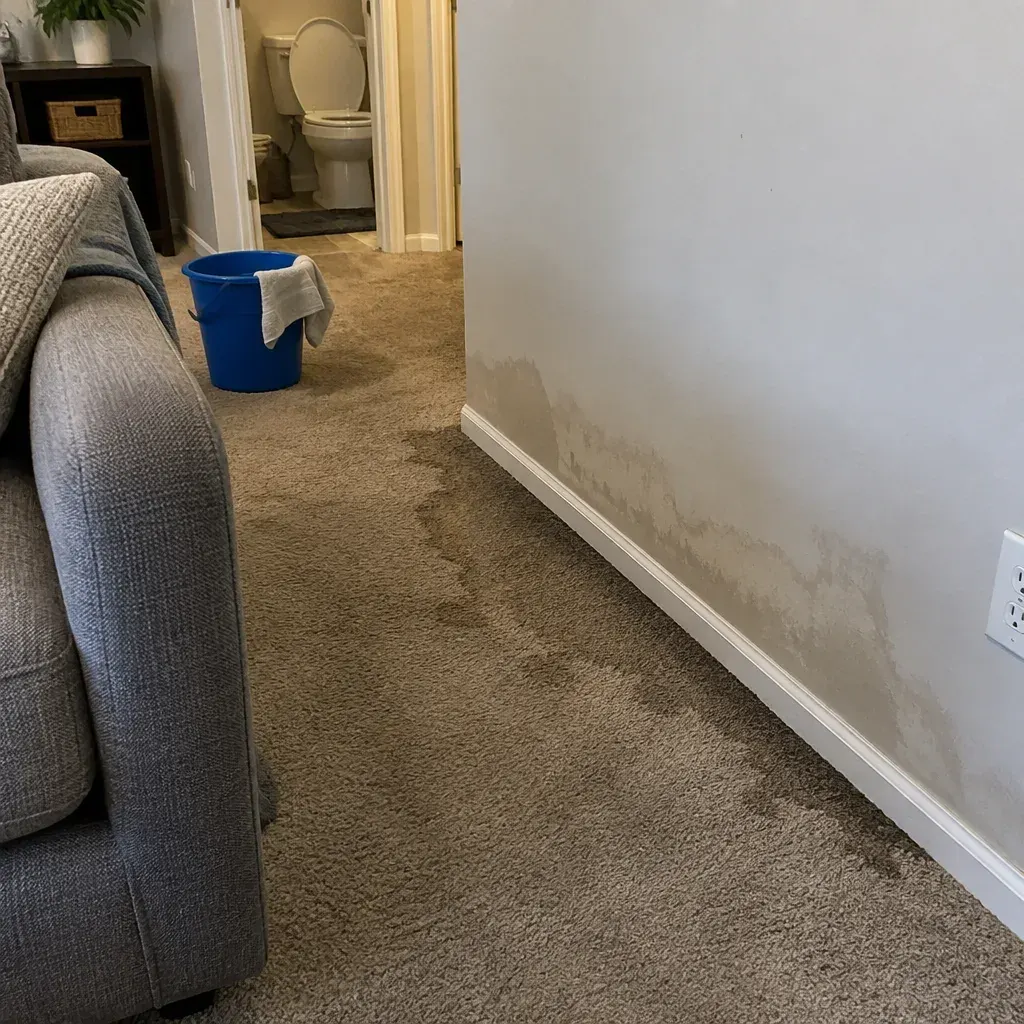
Start by checking whether sewage reached absorbent flooring, wall bases, or contents. If affected surfaces can be cleaned and dried during the visit, cleanup may finish then. If porous materials need removal or moisture remains inside the structure, plan for follow-up drying and reassessment before using those rooms.
SEWAGE REMOVAL STEPS AND SEPARATE REPAIR CHOICES
| Claim Notes |
Protect People First |
|---|
| Compact cleanup area, contained spread | Odor treatment |
| Fresh contamination appears on cleared flooring | Contamination assessment |
| Cleanup may reach past visible wetness | Remove soiled materials; sanitize surfaces, dry structure |
Safe First Moves Around Sewage
Before an assessment, make a room-by-room list of finishes and belongings with visible sewage contact. In Provo, you can photograph them from a dry spot and keep the record with your claim papers. A home near Neptune Park may have different affected materials than one near Hobble Creek Golf Course. Leave contaminated items untouched for the assessment.
Which Porous Belongings May Need Removal
Sewage can carry germs that affect people and pets. Keep everyone away from rooms it may have reached, including adjoining spaces awaiting assessment. Do not touch residue, wet belongings, or track through the area. A dry appearance or faint odor cannot confirm a room is safe. Wait for cleanup and assessment before household use resumes.
When Does Containment Change the Work Plan?
When requesting an estimate, ask how affected contents and building surfaces shape the cleanup. That ties disposal, disinfection, and drying to what the assessment finds.In Provo, the guide range describes cleanup in affected rooms, including removal, cleaning, disinfection, and drying when needed. Sewer-line diagnosis or repair is separate. Tell the pros we connect you with which rooms and materials were affected, then confirm any visit fee and the precise work list with them before scheduling.Find complete cost bands at pricing guide, with factors behind broader cleanup work.