What Household Surfaces Can Retain
Provo-area climate normals include winter snowfall. During wet weather, note whether water appeared after rain or snowmelt, but timing alone cannot identify the backup’s cause or the property’s sewer connection.
The Provo River and Utah Lake help orient the local setting. Their presence does not establish a sewer path to any house; an address-specific source check is needed before assigning responsibility.
A Provo mailing label can point to a call, but it does not confirm where the affected building sits; a home near Quail Cove may have a different service check. Give the pros we connect you with the property address to ask about coverage.
Drying Hidden Dampness
- Entry Safety
- Sewage can expose people and pets to germs through contact with wet floors, splashes, and contaminated belongings.
- Water Mark
- The first drain or fixture where water appeared can help an assessor trace the indoor route.
- Material Type
- Absorbent materials that took in sewage may need removal; hard surfaces can be assessed for cleaning and disinfection.
- Moisture Check
- Photographs of waterlines and a separate list of damaged belongings can help keep cleanup records clear.
- Source Follow-up
- A storm-related backup can leave wastewater on surfaces before its source is identified.
- Drying Needs
- Provo-area climate normals include winter snowfall, so note whether a backup followed rain, melting snow, or both. Seasonal timing can help record the event, but it cannot identify the source or predict what happened at a particular home.
- Drying Scope
- an estimated $2,700–$6,800
When the Source Is Not Sewage
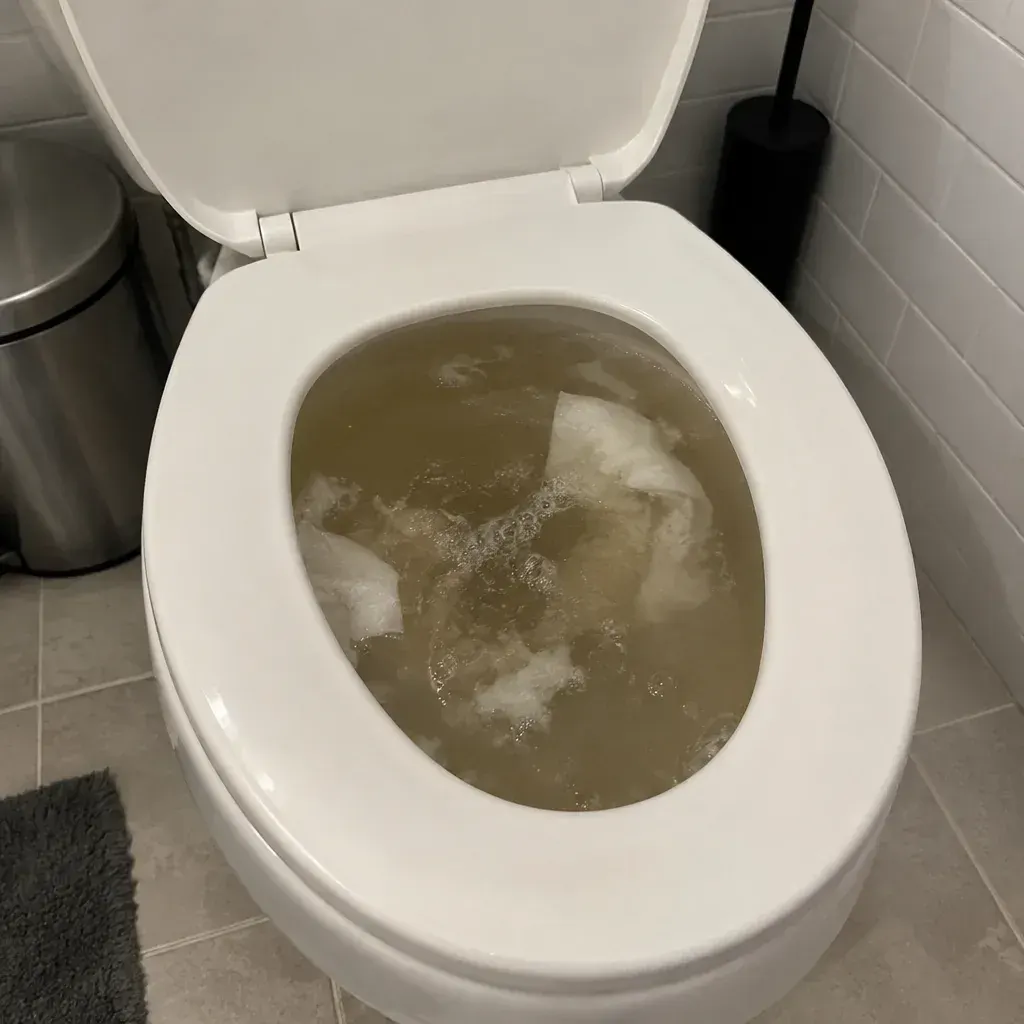
Surface floodwater can carry mud through an exterior opening, while a sewer backup may emerge from an indoor drain. Both can leave a wet floor after a storm, so the first entry point matters. Surface floodwater usually enters across a doorway, window, or other exterior opening. Sewage backup may appear first at an indoor drain or fixture. The entry route is a useful clue, but an assessment must establish what the water touched.
Tracking Materials That Need Attention
The pros we connect you with first review the water’s path, affected rooms, and access conditions. They remove wastewater and debris with suitable equipment, then sort materials by whether they can be safely retained. Porous items with sewage exposure may have to be discarded.
After material removal, the pros we connect you with clean and disinfect affected surfaces according to product labels. They then dry damp structural areas and check progress as moisture falls. This work addresses indoor contamination; a plumber or sewer provider investigates the backup source.
Start by checking whether sewage reached absorbent flooring, wall bases, or contents. If affected surfaces can be cleaned and dried during the visit, cleanup may finish then. If porous materials need removal or moisture remains inside the structure, plan for follow-up drying and reassessment before using those rooms.
CLEANUP NEEDS FIRST, BUILDING WORK TO REVIEW AFTERWARD
| Drying Check |
Contact a Plumber |
|---|
| Prompt cleanup kept damage localized | Damage assessment |
| Waste marks emerge along room edges again | Porous material removal |
| Residue marks flooring beyond the spill | Clear contaminated contents; disinfect surfaces and dry |
Keep Clear While Cleanup Is Planned
Keep everyone out of standing water and do not touch wet outlets or appliances. From a dry location, note where water appeared and when. Avoid using drains or flushing toilets until the situation is assessed. Do not scrub or move sewage-soaked materials; leave contaminated cleanup to trained professionals.
Health Risks From Indoor Sewage
Sewage can carry germs that spread through direct contact with wet floors, splashes, and soiled belongings. Do not walk through the affected room or move contaminated items. Keep children and pets away, and avoid touching wet electrical equipment. If sewage reaches a living area, leave it unused until assessment and cleanup are complete.
When Does Containment Change the Work Plan?
When requesting an estimate, ask how affected contents and building surfaces shape the cleanup. That ties disposal, disinfection, and drying to what the assessment finds.In Provo, the guide range describes cleanup in affected rooms, including removal, cleaning, disinfection, and drying when needed. Sewer-line diagnosis or repair is separate. Tell the pros we connect you with which rooms and materials were affected, then confirm any visit fee and the precise work list with them before scheduling.Review pricing guide to see the full span and why cleanup scope can shift.