Cleanup Steps
Sewer Backup Cleanup Steps for Provo, UT
Ask whether the written scope includes a final review of the completed cleanup.
MOISTURE CHECK
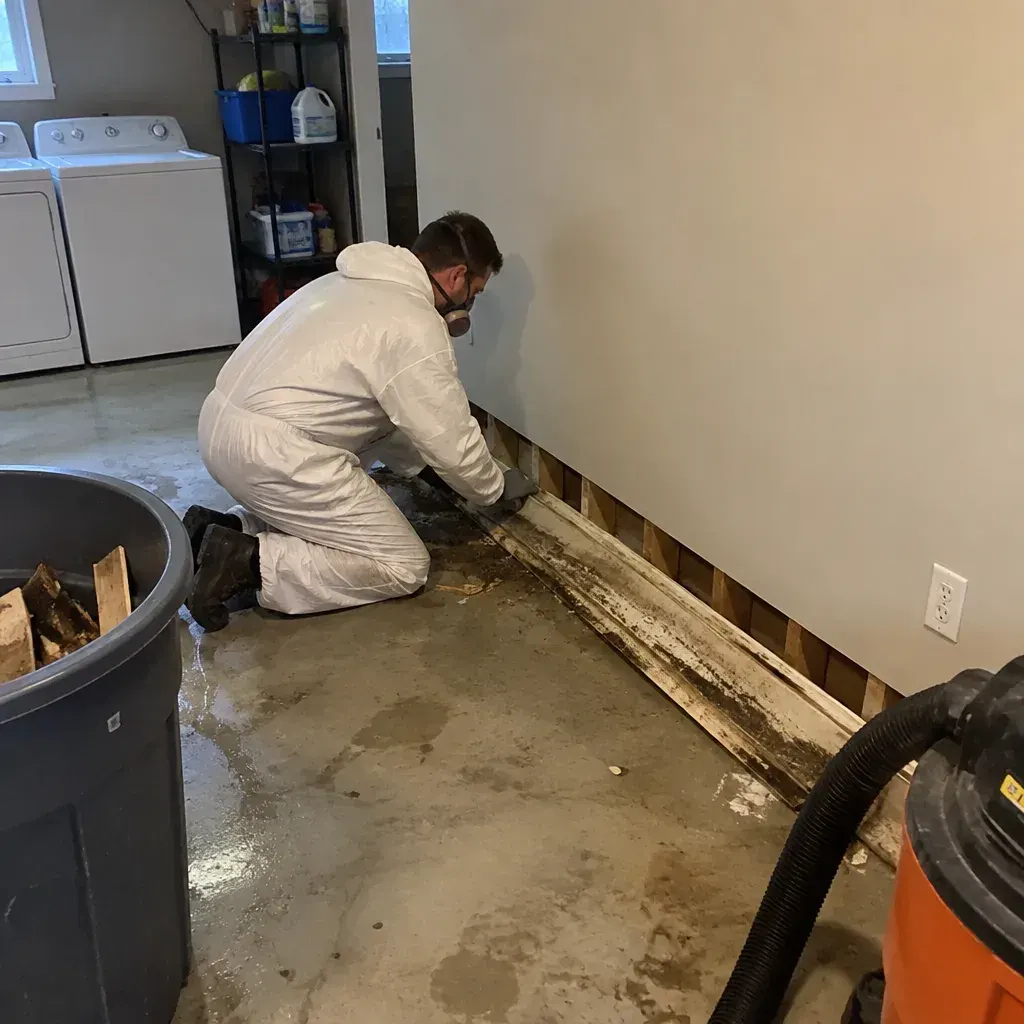
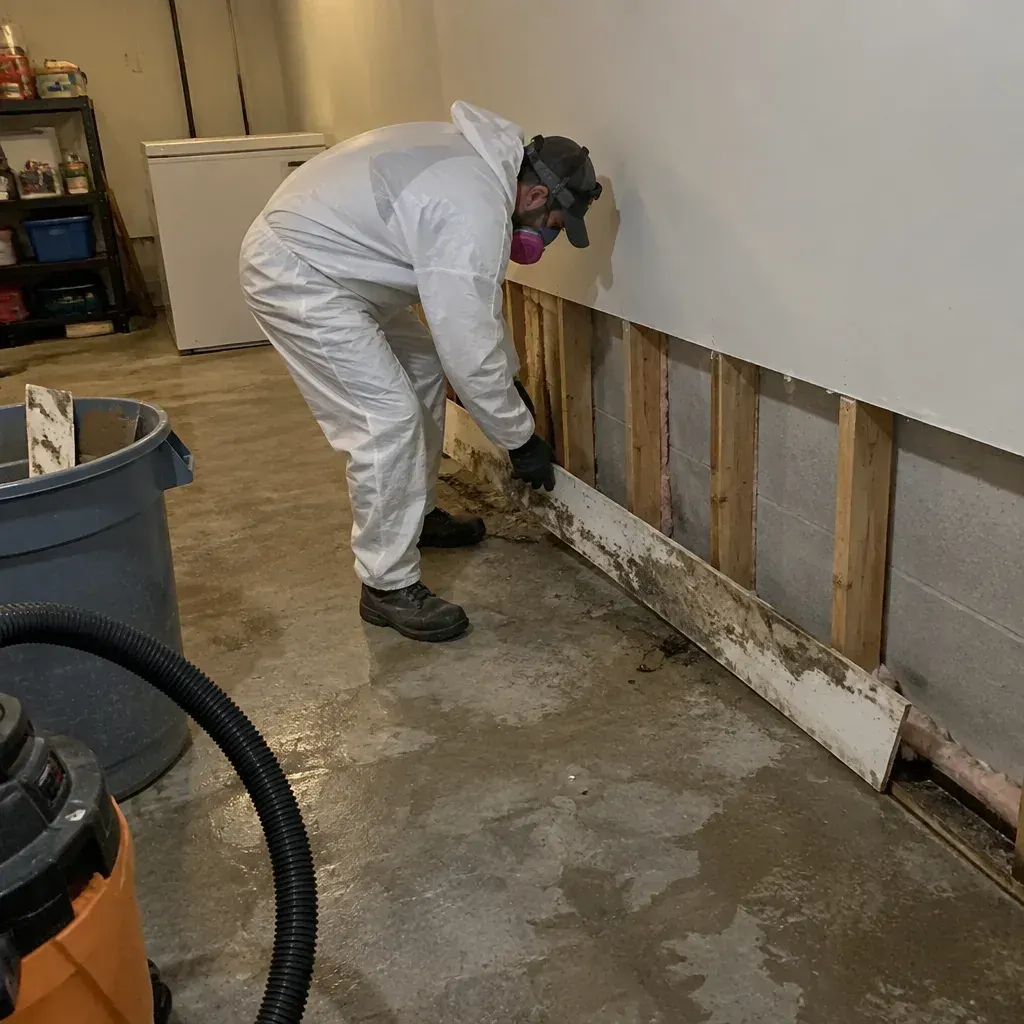
After sewage enters, cleanup focuses on affected building materials. The cleanup covers removable items and surfaces that remain in place. Tracing the blockage or repairing the line is separate plumbing work.
Separate pages examine the cleanup work, where contamination can travel, damage that may persist, and estimated cleaning and drying costs in Provo. Planning estimates for cleanup tasks appear in the pricing guide.
Step by Step
Each Stage of Cleanup
Quick Answers
Questions to Consider
Can sewage from a backup reach rooms beyond the first wet area?
In Provo, sewage can soak into carpet, padding, insulation, or other absorbent materials. If contamination cannot be removed through effective cleaning, those materials may need removal. The decision depends on what the sewage reached and how deeply it entered. A ranch near Dry Creek Park and a split-level by Jordan River Parkway still need an assessment of their own affected materials. Leave contaminated items for the cleanup professionals to evaluate.
How do cleanup professionals decide whether a surface can stay?
The assessment looks at each affected material, its condition, and the extent of sewage contact. A hard surface with no lasting damage may be suitable for cleaning. Material that has absorbed contamination or lost its sound condition may need removal. The visible mark alone does not settle the question. The pros we connect you with can explain which surfaces are candidates to remain and which need another approach.
What does disinfection address after a surface has been cleaned?
Cleaning lifts sewage and residue from surfaces selected to remain. Disinfection then treats contamination that may persist on those cleaned surfaces. It does not replace removal when material is too affected to clean effectively. The treatment plan follows the decision about which affected materials will remain. Disinfection is one part of restoring affected rooms, alongside material decisions and drying.
Why dry the structure after sewage and residue are removed?
A room can look clean while moisture remains inside affected building materials. Drying addresses that hidden moisture after sewage removal and surface cleaning. A moisture reading can show whether dampness remains beyond what sight or touch can reveal. The assessment helps identify which parts need drying and guides follow-up until those materials are dry.
Discuss Cleanup
Not sure which area was affected?
Tell the pros we connect you with what you saw and which rooms were involved. Ask about assessment and visit charges, current scheduling, the written plan, and any warranty terms.
Call (801) 716-3454