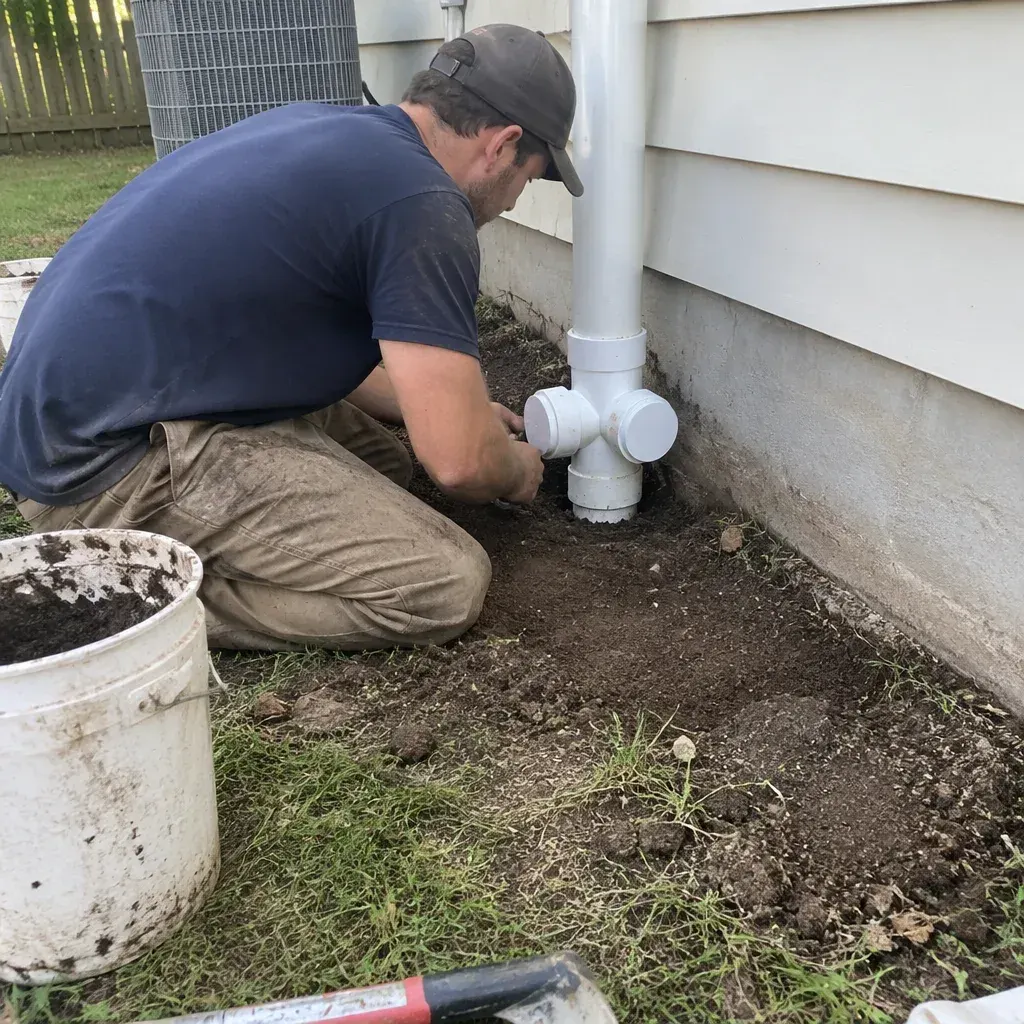
Returning Home
In Provo, lingering odor, damp flooring, or visible residue can draw attention to room edges. Learn what these clues may suggest before you return after sewage cleanup.
Read article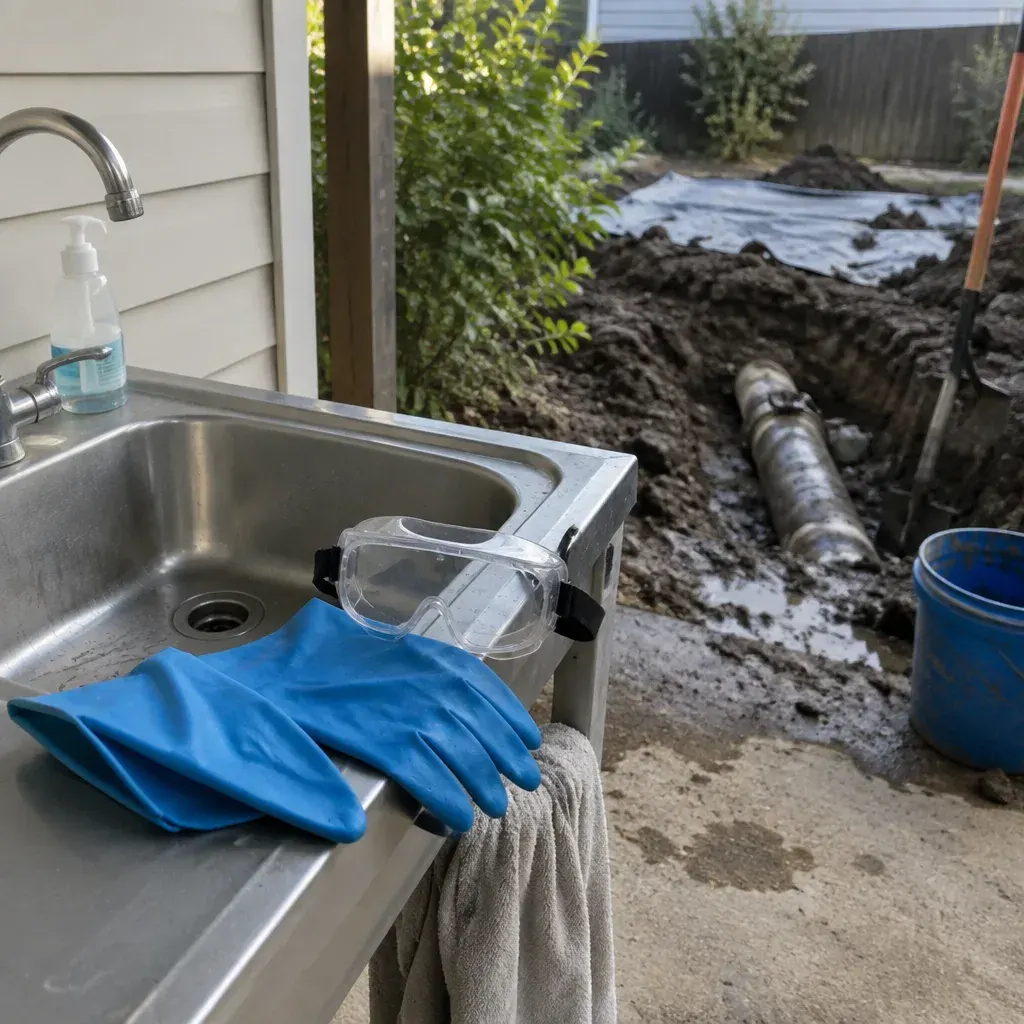
See how basement sewage is assessed, contained, removed, cleaned, and dried.
Winter snowfall is part of Provo’s climate, but it cannot explain a basement backup by itself. First, note where sewage appears: at a floor drain, near a laundry area, or across a stair landing. A split-level may show the first trace on a lower room’s floor, while stored items can hide the spread. A low wall stain can mark the route water took beyond the first wet area. Check nearby rooms for damp trim or a changed floor surface, since water may travel beyond the first spot.
In Provo, the cleanup plan starts with the floor, then follows the route sewage could reach through finishes and stored belongings. A basement near Lakeview Park may have different room access than one near Rock Canyon Trailhead; stairs, doorways, and the affected footprint shape equipment access and labor. The pros we connect you with check surfaces and materials, contain the work area, and extract wastewater. They remove items that cannot be cleaned, disinfect the rest, treat lingering odor, and dry damp structure. A plumber handles source diagnosis or sewer-line repair.
A home’s sewer source needs checking, even when American Fork River or Dry Creek comes to mind. Basement Sewage Cleanup cleans indoor contamination; Orem, American Fork and Lindon lists coverage examples.
Use Sewer Backup Cleanup to consider cleanup in your household; if you own rental space or operate a business, commercial sewer backup cleanup covers that setting.
Look at the floor drain, laundry area, and the lowest part of the basement first. A tide mark or grit caught in a floor joint can show where sewage traveled after the water shifted. In Provo, note each affected room before cleanup begins, even if one corner looks worse than the rest. The outline helps the cleanup professional set the work area and check for contamination beyond the visible pool. Keep people and pets clear while the basement is assessed.
Next, inspect finishes along the floor and lower wall. A softened baseboard, lifted flooring edge, or paint that has loosened can mean sewage reached material behind the surface. Check the bottom of stair trim and the backs of items stored against walls. In Provo basements, those concealed edges can change what needs removal and what can be treated in place. Avoid pulling materials apart yourself; a cleanup professional can assess them and limit transfer to clean rooms.
A floor may look dry while contamination remains in seams and joints. Look for damp cardboard, fabric, and paper stored at floor level. In Provo, include the contents in each affected basement room when describing the work. A written contents list can help separate damaged belongings from surfaces that need cleaning. The cleanup professional can trace the affected materials before odor treatment begins.
The pros we connect you with check floor edges, contents, and lower wall finishes first. This establishes the affected work area and access needs.
They separate the basement work zone from clean rooms, then extract contaminated water. Containment helps limit transfer along stairs and doorways.
They remove sewage-contaminated porous items that cannot be treated, then clean and disinfect salvageable surfaces according to product directions.
After cleaning, they treat persistent odor as needed and dry affected building materials. Moisture checks help guide when drying can stop.
Sewage can pass beneath flooring, into wall edges, and around built-in cabinets before the room looks dry. In Provo, ranch and split-level basements may have different finishes and access routes, so cleanup needs to follow the actual affected surfaces. Contaminated porous materials may require removal. A clear record of removed materials and treated surfaces can document the completed cleanup. If hidden areas are missed, odor and moisture can persist after the open floor looks clean.
Utah’s R317-801 rule applies to public sewer-system operators and calls for control, containment, termination, and mitigation of sewer overflows. It does not set a private basement cleanup method or determine insurance payment. In Provo, a cleanup professional can document affected rooms and work performed for your records. Keep photos and a list of damaged belongings, and check your policy for coverage terms. A public-system requirement alone does not promise reimbursement for damage inside a home.
A backup may come from a blockage inside the home or farther along the sewer line. That information can help you contact the appropriate provider after the backup source is investigated. It does not assign responsibility for every Provo property or decide who pays for interior cleanup. The cause and local provider matter. Ask a plumber to diagnose the source when needed, and keep that work separate from the basement sanitation record.
Budget with Basement Sewage Cleanup estimated ranges for Provo; have the pros we connect you with state visit fees and itemize cleanup tasks in writing.
| Rooms to Check | Cleanup Tasks | Cost Inputs |
|---|---|---|
| Single surface | Near Evergreen Park: note the impacted zone and work its condition calls for | an estimated $7,000–$14,000 |
| Room scope | Include odor treatment and drying when the agreed cleanup plan lists them | an estimated $8,050–$18,200 |
| Several rooms | Documented additions may cover newly confirmed materials or spaces | an estimated $7,000–$14,000 |
| All indoor areas | Set cleanup limits from observed conditions inside the home | an estimated $16,800–$56,000 |
Odor that remains after sewage is removed can call for added treatment. Wet building materials may also need a longer drying plan. Each changes the cleanup scope, while replacement choices affect rebuilding. Use the pricing guide to understand the estimate. Plumbing work to find or fix the source is separate.
Keep people and pets out first. In Provo, the pros we connect you with trace sewage to set a cleanup boundary. They inspect floors, drywall, and belongings to sort removal from cleaning. After extracting sewage, they clean and disinfect retained surfaces, following product directions. Odor checks guide treatment; moisture checks guide structural drying. Separate clean areas from contaminated ones to limit tracking during cleanup. A plumber investigates the backup source.
Carpet padding, cardboard, and other absorbent materials can hold sewage below the surface. A cleanup professional checks how far contamination reached and whether each item can be thoroughly treated. Items that cannot be cleaned and disinfected may need disposal; some hard, nonporous surfaces can remain after proper cleaning. In a Provo basement, include stored belongings and finished flooring in the assessment, since both affect the removal scope.
Do not enter pooled sewage or carry wet belongings through the house. Keep children and pets away while the basement is being assessed and cleaned. Call a cleanup professional to set up the work area and remove contaminated water and materials. If the source has not been identified, a plumber can investigate it. Avoid using affected basement fixtures until you have guidance about the unresolved backup.
After sewage and unsalvageable materials are removed, affected surfaces are cleaned before disinfection. Keeping the surface wet for the full contact period gives the product time to act across the treated area. In Provo, the cleanup professional can identify which surfaces need treatment and follow the product instructions. Disinfectant does not replace removing residue first.
Odor treatment comes after sewage residue and contaminated belongings are removed and the remaining surfaces are cleaned. If odor persists, the cleanup professional can check concealed edges and affected materials before treating the air or surfaces. Drying then addresses moisture in the structure. In Provo, the drying period depends on which materials became damp and what checks show as work proceeds.
Basement sewage cleanup removes contamination and helps dry affected parts of the home. It does not determine why the backup occurred. A plumber diagnoses the source and handles any sewer-line repair that is needed. In Provo, cleanup and plumbing may need coordination if sewage could return, but they address separate parts of the problem.
For basement sewage cleanup, the estimate is $7,000–$14,000 for this work. A small spill and a wider spread require different work; after assessing the damaged area, materials, and drying needs, the pros we connect you with can confirm pricing.
Understand how cleanup choices follow the contamination found in building materials and affected spaces.
In Provo, lingering odor, damp flooring, or visible residue can draw attention to room edges. Learn what these clues may suggest before you return after sewage cleanup.
Read article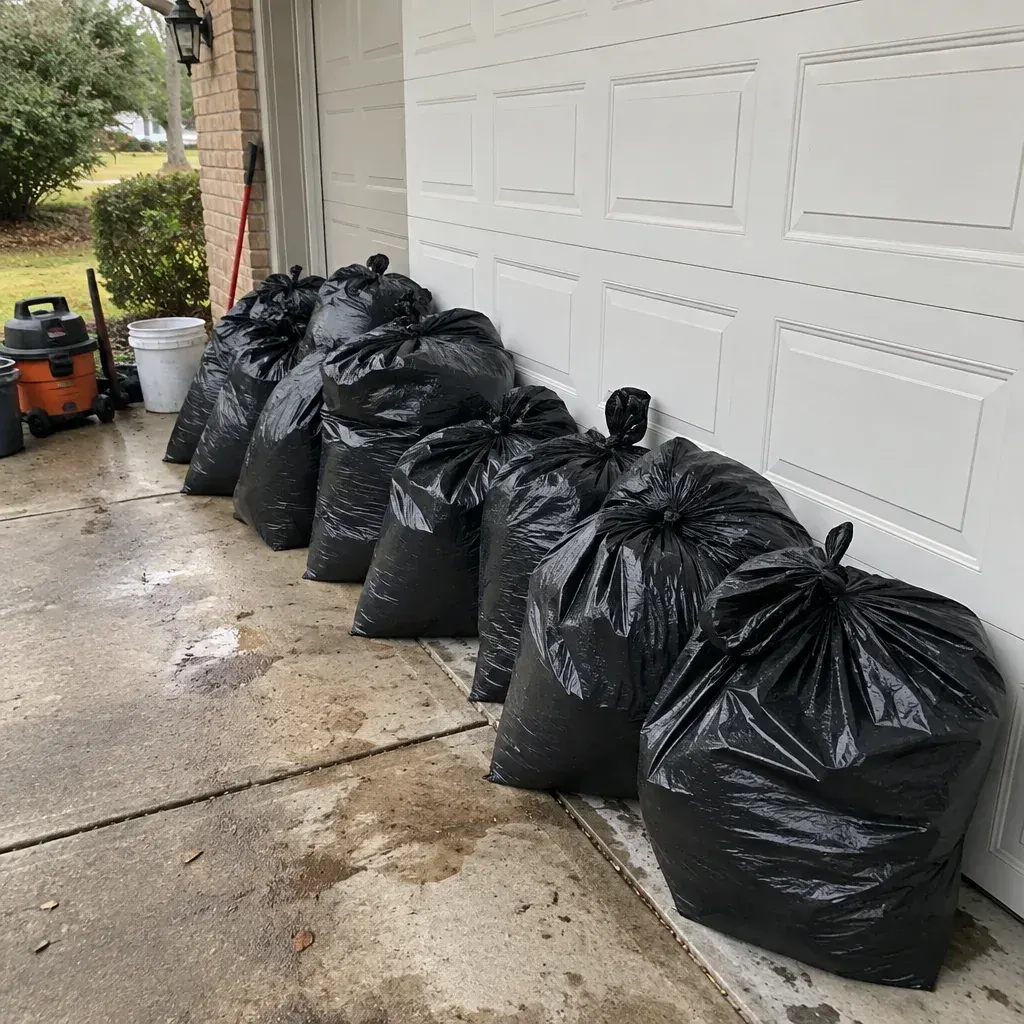
How quickly should a cleanup company respond to a sewage backup in Provo? Learn what to report, what visible spread may indicate, and what to clarify about arrival.
Read article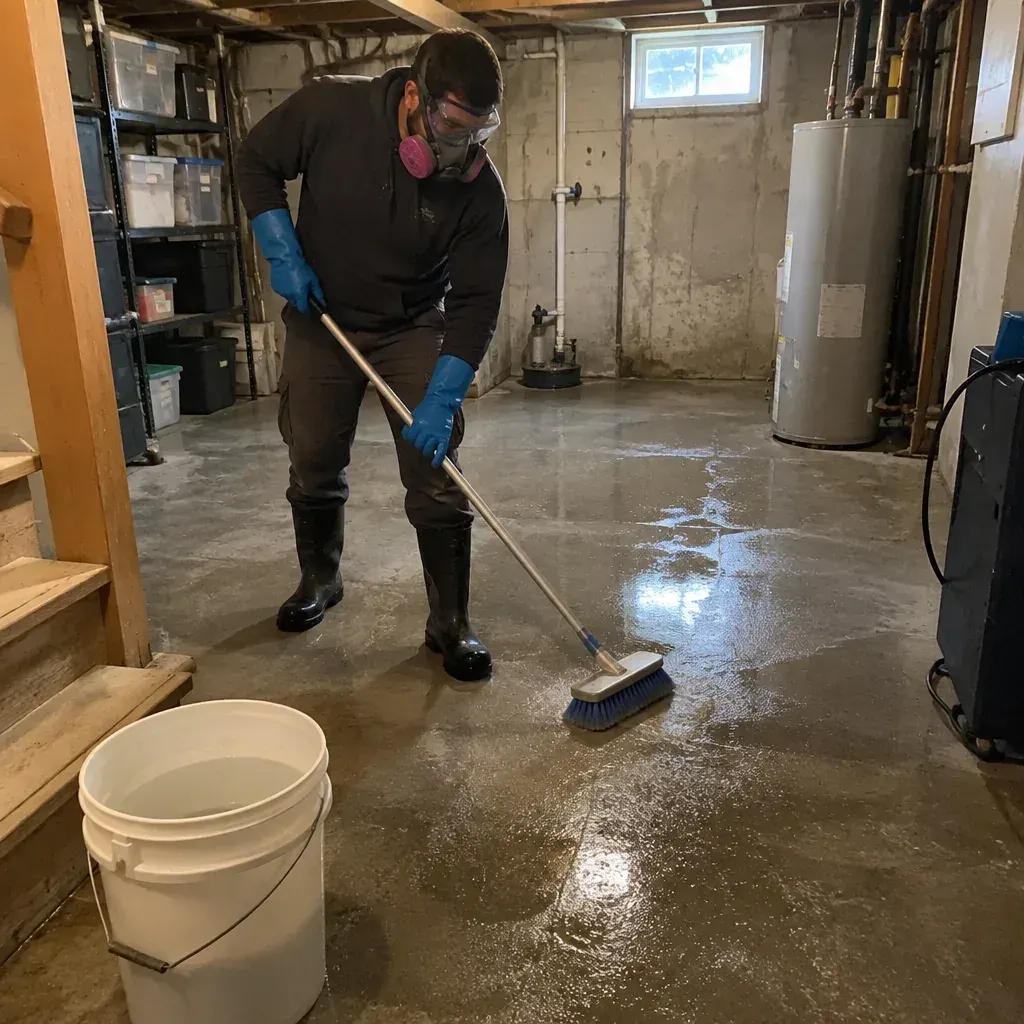
How long does sewer backup cleanup usually take in Provo? Follow assessment, removal, treatment, and drying to see what shapes the timeline.
Read articleFor a Provo address near Fort Utah Park, start by checking whether sewage is still entering the building. Note whether the source seems to involve a drain, fixture, or pipe, without investigating it yourself. Keep others clear and report what you saw, including the rooms and materials involved. Keep affected belongings in place until their condition has been discussed. Request a written scope explaining removal, treatment, and drying.
Call (801) 716-3454