Office Building Cleanup
Provo Office Guide
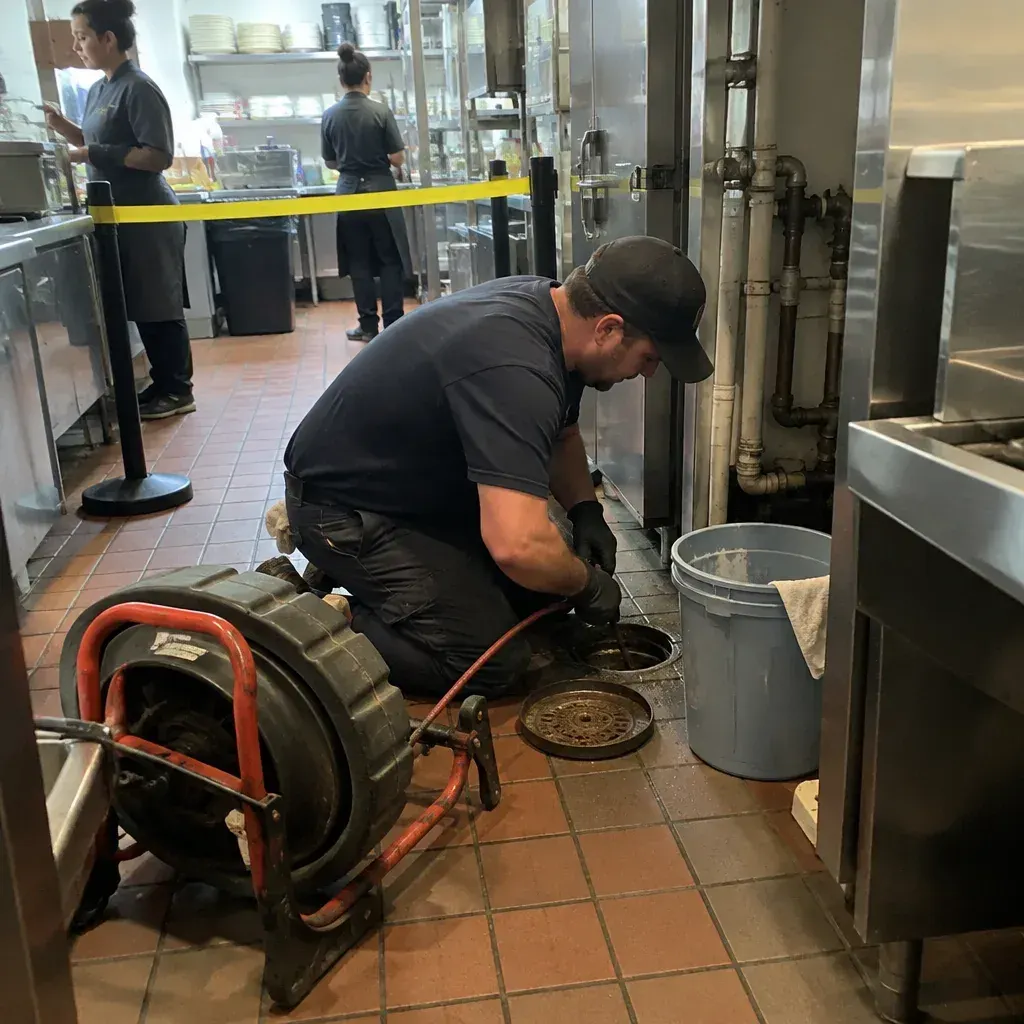
See how kitchen separation, food decisions, records, and operating plans shape restaurant sewage cleanup in Provo.
Restaurant sewer backup cleanup isolates affected areas, assesses food, equipment, and supplies, removes sewage and materials that cannot be cleaned, then cleans, disinfects, and dries affected parts. Coordinate access and food service decisions with the relevant food safety authority and cleanup professional.
When a floor drain overflows, first keep staff and customers out of the affected area. In Provo, restaurant sewage cleanup starts with understanding where wastewater reached and which kitchen functions it touched. The pros we connect you with can contain the work area, remove sewage, and assess surfaces and materials. Some absorbent materials may need removal; remaining surfaces are cleaned and disinfected, then the structure is dried. A plumber can investigate the backup source. A clear record of each step gives you a useful basis for claim review and later planning.
Start a dated incident record while details are fresh. Note when staff first noticed the backup, what they saw or smelled, and which areas were closed. In Provo, mark the rooms and workstations by their names on your floor plan. If your group tracks sites in Salem, Lehi, or American Fork, keep each address in its own file. A shared format can make records easier to compare, while separate entries preserve what happened at this restaurant.
Before food or supplies are moved, record what may have been exposed. List ingredients, sealed goods, open containers, packaging, utensils, and clean service items by storage area. Note visible contact or nearby splash marks without handling anything in the affected zone. In Provo, ask the relevant food safety authority how exposed items should be handled. Keep its guidance with the inventory, including who provided it and when. That gives managers a traceable basis for decisions about food service cleanup.
A commercial kitchen backup can interrupt work beyond the spot where water appeared. Check whether staff can reach handwashing, dishwashing, refrigeration, receiving, or a safe route to service. Record which task stopped and what alternative arrangement you chose. In Provo, this helps explain operational effects during claim review and gives managers a starting point for future plans. Keep the entry specific to the affected function. Avoid assuming an entire kitchen is usable or closed based only on one visible area.
Record equipment before it is moved, cleaned, or switched on. Identify each affected appliance or work surface, describe visible conditions, and note whether controls, cords, or lower sections appear wet or soiled. In Provo, include the item’s normal function and whether staff depend on it for food preparation or safe storage. A cleanup professional can assess what needs attention. Your notes preserve the original condition and help distinguish equipment decisions from building-material work.
| Kitchen area | Evidence seen | Record to keep |
|---|---|---|
| Site identity | Provo address, entrance, and affected rooms | Confirm the restaurant's service address directly |
| Affected boundary | Kitchen, storage, service, and adjoining spaces | Mark where sewage reached and where containment begins |
| Food stock | Items exposed to sewage or contaminated splash | List items separately for food safety review |
| Kitchen assets | Equipment, utensils, and stored supplies | Note condition and exposure before handling |
| Cleanup actions | Extraction, material removal, cleaning, and disinfection | Keep dated notes and photos of completed work |
| Building materials | Flooring, wall bases, cabinets, and finishes | Record what was removed, cleaned, or retained |
| Drying status | Moisture readings and damp areas over time | Track remaining wet areas and drying decisions |
| Service impact | Unavailable prep, washing, storage, or dining functions | Log operating limits and decisions as work progresses |
During assessment, connect each material to its observed condition and the proposed action. Note whether a surface is hard and washable, or absorbent and potentially contaminated. The pros we connect you with can identify what may require removal, cleaning, disinfection, or drying. In Provo, photograph the material before work changes its appearance, when safe access is possible. Record the reason for removal or treatment alongside the location. This creates a practical record of how the cleanup scope relates to what was found.
Keep the cleanup boundary visible in the site record. Describe which doors, counters, or passageways separate the affected zone from food handling and clean supplies. Note any route staff must avoid, and who was told about the restriction. In Provo, this helps explain how the commercial kitchen backup was kept apart from ongoing operations. Containment limits movement of contaminated water and debris. Update the record if the boundary changes as assessment or removal work proceeds.
Build a decision timeline rather than relying on memory after the kitchen reopens. Enter who restricted access, which functions paused, what the assessment found, and which authority or professional was consulted. In Provo, attach notes when a decision changes, such as a storage area being cleared for review or a workstation remaining unavailable. Keep names and times legible. The timeline can help managers understand why work proceeded in a particular order and identify gaps in the response plan.
Food safety decisions need their own record beside the cleanup notes. Save the authority’s instructions about potentially exposed food, utensils, and preparation areas. Write down which items were held for review and which were removed under that guidance. In Provo, do not treat a cleaned surface as automatic permission to resume food handling. Disinfectants also need to be used as their labels direct, including contact time and safety steps. Record the product and work area for later reference.
Managers can document how service changes while affected areas remain unavailable. Note adjusted receiving times, menu items paused, staff duties reassigned, and the person who approved each change. In Provo, include when an alternate work arrangement began and what condition would prompt another review. This record helps explain operational choices without confusing them with cleanup tasks. If another location supports service, document the arrangement as a separate operational decision and keep this restaurant’s cleanup file focused on its own conditions.
For claim review, pair dated photographs with an itemized description. Show enough of each image to identify the room, surface, or equipment, then label it with the date and location. In Provo, photograph only when entry is safe; do not cross a restricted boundary to capture evidence. Keep original files and link them to the assessment notes. Images can help show the condition before work, while the written inventory explains what each image represents.
Keep the cleanup record together: assessment notes, photographs, item lists, authority guidance, and changes to the work scope. In Provo, note when sewage removal, material removal, cleaning, disinfection, or drying occurs. Ask the cleanup professional for a written account of completed tasks and any areas needing continued attention. These records can support claim review and give managers useful details when planning for a future interruption. Coverage and claim decisions depend on the applicable policy.
Before work begins, compare the proposed scope with the conditions recorded at the restaurant. Check that each affected room or item has a described reason for removal, cleaning, or disinfection. In Provo, ask the cleanup professional to explain any change from the initial assessment and add that explanation to the file. This keeps the record connected to the observed damage. A plumber’s findings about the backup source belong in the file too, but plumbing diagnosis and repair are separate work.
After visible sewage is gone, moisture may remain in building materials. Ask which areas will be dried and how progress will be recorded. In Provo, keep readings or status notes tied to their room and date, and record any odor treatment separately from cleaning and disinfection. A final review should identify completed work and any remaining concern. That closeout gives managers a clear record for claim discussions and a more useful reference if restaurant operations face disruption again.
At a Provo restaurant, the work record should explain the scope behind each estimate. Note which kitchen and service areas were affected, when access was limited, and what review led to removing or retaining equipment and finishes. This helps a manager compare proposals by task and plan the reopening sequence. Brigham Young University, Utah Valley University, and the Provo River are broad local references; none identifies a restaurant’s address or the rooms involved. Tie records to the street address and site name. Commercial sewage cleanup cost reflects the documented work, access, and material decisions.
For affected rooms, cleanup can mean sewage extraction, surface disinfection, and structural drying; check which communities may have access, includingAmerican Fork, Lindon and Provo. If your address is near the edge of coverage, ask whether the pros we connect you with can reach it and whether travel affects billing.
A business estimate can start with $7,000–$14,000 for context, with charges based on each cleanup visit. The plan may change with the rooms involved, soiled contents, and need for another drying check. A small office suite differs from a broad customer area. A plumber handles blockage diagnosis and repair.For a Provo business, separate rooms, shelving, equipment, and finish materials can add different tasks and change the price. When you call, describe where sewage reached and which contents or machinery were exposed. Give the address too, whether it is in Provo, Springville, or Mapleton, so the service area can be checked.Find estimate factors in the pricing guide; the commercial overview explains how commercial cleanup work is coordinated across a property.
Provo Office Guide
Retail backup cleanup
Hotel Backup Cleanup
Sewage backups can contaminate equipment as well as floors and other surfaces. A cleanup professional can assess how far sewage reached, remove it, and determine which materials require removal or treatment. Surfaces that remain are cleaned and disinfected, then affected building materials are dried. Review food service plans with the relevant food safety authority before using affected spaces again. Ask the cleanup professional to note which materials were removed or treated.
Set aside food, single-use packaging, utensils, and supplies that may have been exposed. Ask the relevant food safety authority how to decide their disposition. A cleanup professional can assess equipment based on its construction and the parts sewage reached. Smooth, accessible surfaces may be treated differently from absorbent components or enclosed mechanisms. Keep each item out of service until its status is clear, and record the decision for the manager who oversees its return or removal.
Keep a dated file tied to the restaurant’s street address and internal site name. Include room notes, photos, affected equipment and supplies, and decisions about what stayed out of service. Record cleanup work as it happens, including material removal, surface treatment, and drying observations. Save relevant food safety guidance alongside the decision it informed. Keep plumbing findings in a separate record so source repair does not get mixed with interior cleanup or claim review.
Tell the cleanup professional which kitchen tasks, deliveries, entrances, and staff paths are affected. Agree on access and work timing before scheduling crews through active service areas. A manager can identify tasks that must pause and decide whether unaffected operations can continue safely. Keep employees and customers away from the work zone. Revisit the plan if the assessment expands the affected area, and document changes so staff know which routes and tasks remain unavailable.
Keep staff clear of affected areas, check food safety guidance, and review the site work plan with the pros we connect you with.
Call (801) 716-3454