Hotel Cleanup
Hotel Backup Cleanup
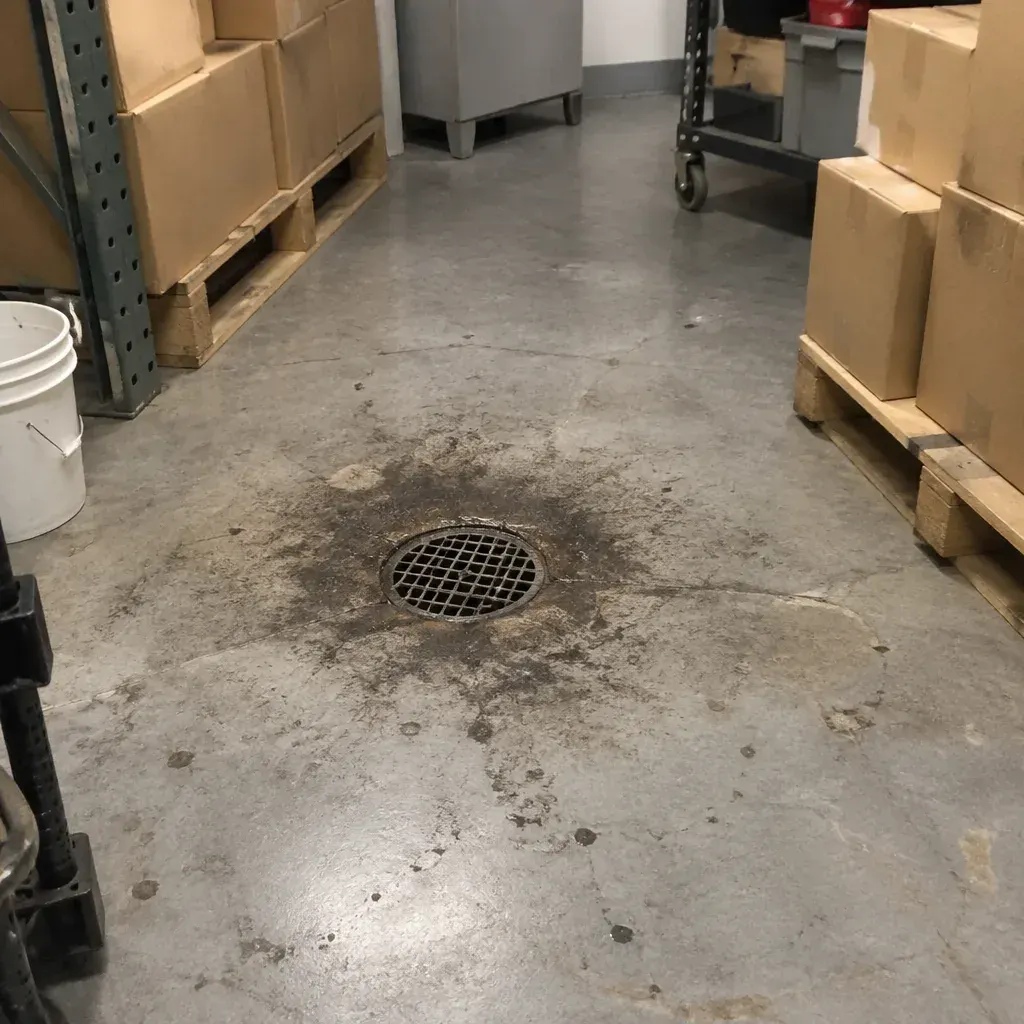
Plan Provo retail sewage cleanup around affected departments, merchandise decisions, store access, and records for later review.
Retail sewage cleanup separates affected work areas from public space, removes sewage, and assesses merchandise and building materials. Suitable surfaces are cleaned and disinfected, then affected areas are dried. Store records can track locations, item decisions, and work steps.
For a Provo retailer, begin by locating the affected sales areas, stockrooms, and merchandise. A sewer backup can cross from a floor into stored goods or fixtures, so visible water alone may not show the full scope. Note where staff first saw it and where odor or dampness appeared later. These observations help the cleanup professional plan containment and explain what needs assessment. The amount of commercial sewage cleanup work can change with the areas involved, the materials affected, and access needs.
Walk the store map with the person who first noticed the backup. Mark wet flooring, stained baseboards, and any closed sales area. Add the time each sign was found and who reported it. In Provo, staff may notice odor before seeing moisture beneath shelving or display fixtures. Treat that as a reason to flag the spot for assessment, not proof of how far contamination traveled. Keep shoppers and employees out of the affected area while its limits are being checked.
Review merchandise by item group and location. Record whether sewage reached the product, its packaging, or the shelf beneath it. A sealed carton and an exposed item present different assessment questions. In Provo, keep descriptions specific enough for someone reviewing the file later to identify the affected stock. Note quantities using the store’s inventory records, and photograph labels where practical. Do not rely on a broad note such as “back room goods”; identify the shelf, bay, or display involved.
Ask how the affected work zone will be separated from customers and clean areas. Containment can limit the movement of contaminated water and debris as work proceeds. In Provo, agree on where barriers will sit, how workers will enter, and which doors remain available. Sewage exposure can harm people, so keep staff and shoppers away from the zone. Record any changes to the boundary, since a shifted barrier may affect access and the work record.
Set a work window around store needs and safe access. Tell the pros we connect you with when deliveries arrive, which receiving doors matter, and what sales activity may continue outside the affected area. A Provo manager can note planned closures, staff reassignment, and changes to receiving. These details help explain operational decisions in the file. Keep the schedule flexible until the assessment clarifies the work area and its limits.
| Work item | Store concern | Record to keep |
|---|---|---|
| Branch ID | Address, suite, entrance, and store code | Provo location; add an accurate landmark, such as Hobble Creek Park |
| Affected zones | Sales floor, stockroom, receiving area, and boundaries | Mark restricted sections on the store plan |
| Store damage and affected goods record | Item type, location, condition, and quantity | Photograph items before moving or disposal |
| Site images | Wide views, close details, and photo dates | Record disposal decisions by affected area |
| Store operations | Closed aisles, alternate routes, and delivery changes | Give staff one current access plan |
| Work decisions | Containment, extraction, cleaning, and drying by zone | Note who approved each scope change |
| Material disposition | Items or finishes removed, cleaned, or retained | Tie each entry to its location and reason |
| Return planning | Open areas, remaining work, and staff instructions | Keep the current plan with branch records |
Give stockroom cleanup its own review. Shelving can hide damp flooring, while cartons may block access to walls and stored items. In Provo, note the affected aisle, shelf bay, and nearby inventory before goods are moved. The assessment can identify materials for removal, surfaces for cleaning, and building areas that need drying. Keep the record tied to locations so later updates show which parts of storage were examined and what changed.
Maintain a dated decision log for the store. Record when access changed, who approved an operational adjustment, and when cleanup reached a new stage. For a Provo location, include the store contact’s name and the source of each update. Separate observations from decisions: “floor damp by bay” differs from “bay closed.” That distinction helps a later reviewer follow what staff saw and why they acted.
Make sales floor restrictions easy for staff to follow. Mark the closed area on the store plan and identify nearby fixtures that limit movement. If another route remains open, show how employees can reach unaffected areas without crossing the work zone. A Provo store may use local references such as Lakeview Park when orienting a location file, but internal directions should still identify the store and affected aisle clearly.
Keep the cleanup record focused on conditions inside the store. It can describe sewage, affected materials, and the work needed to address contamination. It does not establish what caused the Provo backup or who must repair the source. A plumber can investigate a blockage or sewer line. Note that coordination separately, so the cleanup file does not present an unconfirmed cause as a finding.
Choose one store contact to maintain the working file and share approved updates. That person can coordinate information among the landlord, insurer, cleanup professional, and plumber. In Provo, record when each party was notified and what response or instruction followed. Check the lease and policy for required notice steps. Keep those directions with the file, since responsibility and coverage depend on the specific property and policy.
Capture the condition of each area before cleanup changes what can be seen. Take dated photos of floors, fixtures, stock locations, and closure boundaries. Pair images with a short note naming the Provo store area and the photographer. Add an itemized description of affected materials, then connect each image to that entry. This gives claim reviewers a clearer trail from observed damage to the affected merchandise or building surface.
Before discarding damaged goods or approving nonurgent work, check the insurer’s evidence instructions and the lease. Keep merchandise identifiable while those directions are reviewed. In Provo, record who gave authorization, when it arrived, and which items it covers. Coverage is policy-specific, so a cleanup file should document the condition and decisions without promising reimbursement. Store inventory records can help match removed goods to the earlier assessment.
Request a work record that follows the work completed in the store. A final review can note whether moisture or odor remains after cleanup. For a Provo location, ask that entries identify the sales area or stockroom involved and the date of each stage. The sequence helps connect the initial condition to the actions taken. Disinfectants should be used according to their labels, including stated contact times and safety directions.
Before returning a closed section to normal use, ask for its recorded status and supporting observations. The file should identify surfaces cleaned and disinfected, materials removed, and building areas dried. Record any remaining limits or follow-up items for the Provo store contact. A location near the Provo River or Utah Lake is not evidence of the backup’s cause. Keep the reopening decision tied to the cleanup assessment and completed work.
For a Provo retailer, commercial sewage cleanup costs depend on the areas affected, materials involved, and store access needs. A sales floor, stockroom, and receiving path may need separate notes because each serves a different purpose. Record when the backup was found, where impacts appeared, and which departments changed operations. Add dated images, item categories, work decisions, and drying checks to the incident file. A map can orient notes near Fort Utah Park or Brigham Young University; it cannot establish the building’s sewer connection. These records can support claim review and guide future store planning.
A backup may call for removing contaminated materials before cleaning; check where the pros we connect you with may offer this work, includingLindon, Provo and Orem. Before setting a visit, ask the pros we connect you with whether travel is billed and how they define their service boundary.
A business estimate can start with $7,000–$14,000 for context, with charges based on each cleanup visit. The plan may change with the rooms involved, soiled contents, and need for another drying check. A small office suite differs from a broad customer area. A plumber handles blockage diagnosis and repair.For a Provo business, separate rooms, shelving, equipment, and finish materials can add different tasks and change the price. When you call, describe where sewage reached and which contents or machinery were exposed. Give the address too, whether it is in Provo, Springville, or Mapleton, so the service area can be checked.Find estimate factors in the pricing guide; the commercial overview explains how commercial cleanup work is coordinated across a property.
Hotel Backup Cleanup
Provo Office Guide
Restaurant Backup Cleanup
Start a Provo incident log with the discovery time and the person who reported it. Sketch department boundaries and note visible water, odors, or closed aisles. Label each photo with its location. Track who approved stock moves, what was removed, and when drying checks occurred. Keep contact notes and work decisions together. This timeline helps reviewers follow what happened and gives managers a reference if similar conditions arise.
Have the assessor review each product’s construction, outer wrapping, and location. Cartons may absorb sewage even when their contents look untouched; sealed containers may have different options. Leave goods in place until their condition and handling path are recorded. The assessor can group items as cleanable, requiring removal, or awaiting review. Note quantities by useful category and record each group’s final disposition. This gives the store a traceable basis for inventory decisions.
Give the cleanup professional the store’s open hours, delivery windows, and departments that must keep operating. Agree on when access is available and which routes can be closed. Record the schedule, contact person, and any changes as work proceeds. If a checkout area or receiving path is affected, identify an alternate route before reopening that department. In Provo, a clear operations log helps the store explain closures and coordinate later work.
Check the property agreement for notice, access, and repair procedures, then ask the insurer what records it needs. Requirements depend on the specific agreement and policy. Save replies and approval details with the incident file before stock is discarded or treated. Confirm who can authorize building access. Keep these administrative decisions separate from cleanup findings; a plumber may need to investigate or repair the backup source.
Map affected sales, storage, and merchandise areas in Provo, then ask the cleanup professional how work and decisions will be documented.
Call (801) 716-3454